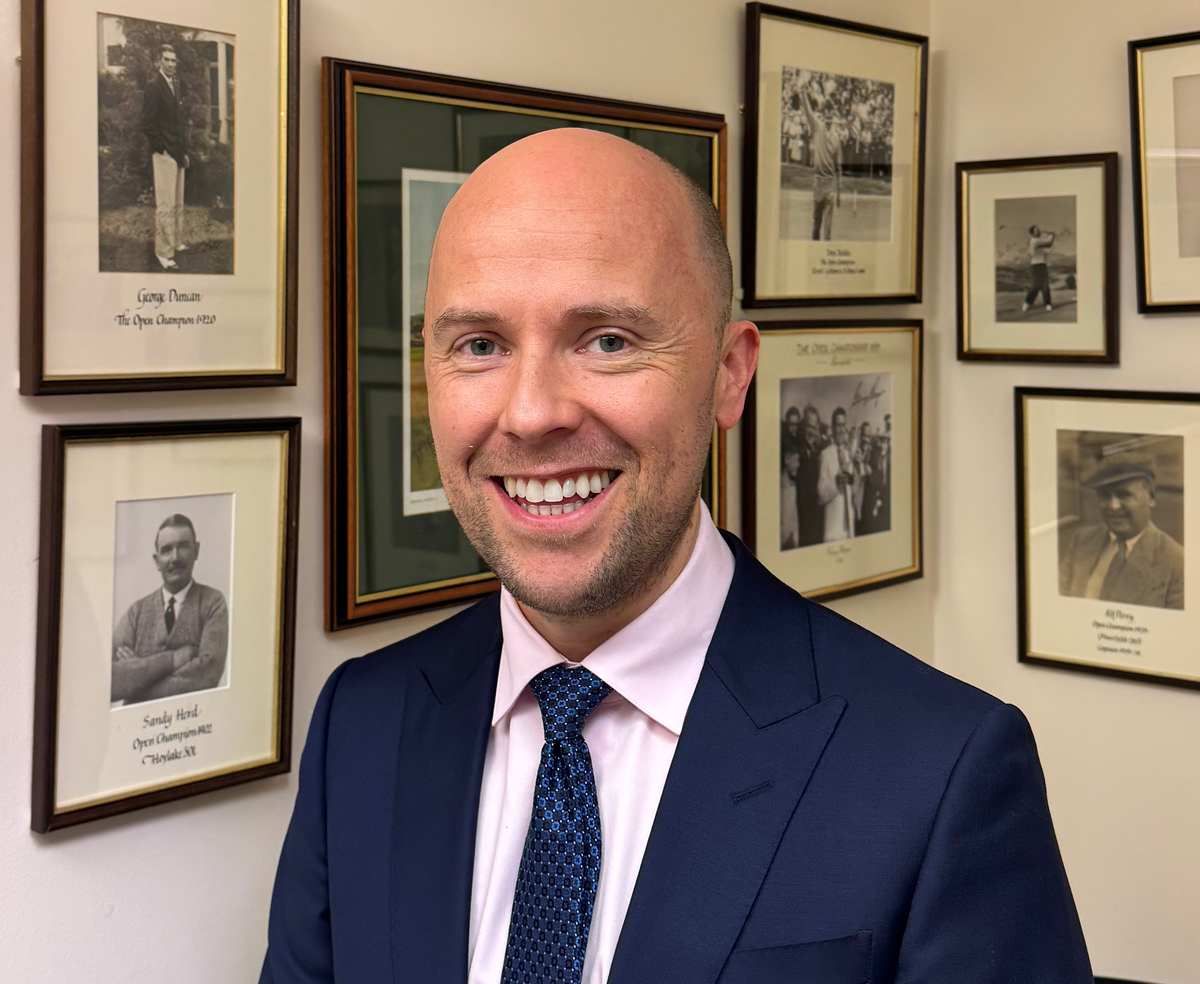
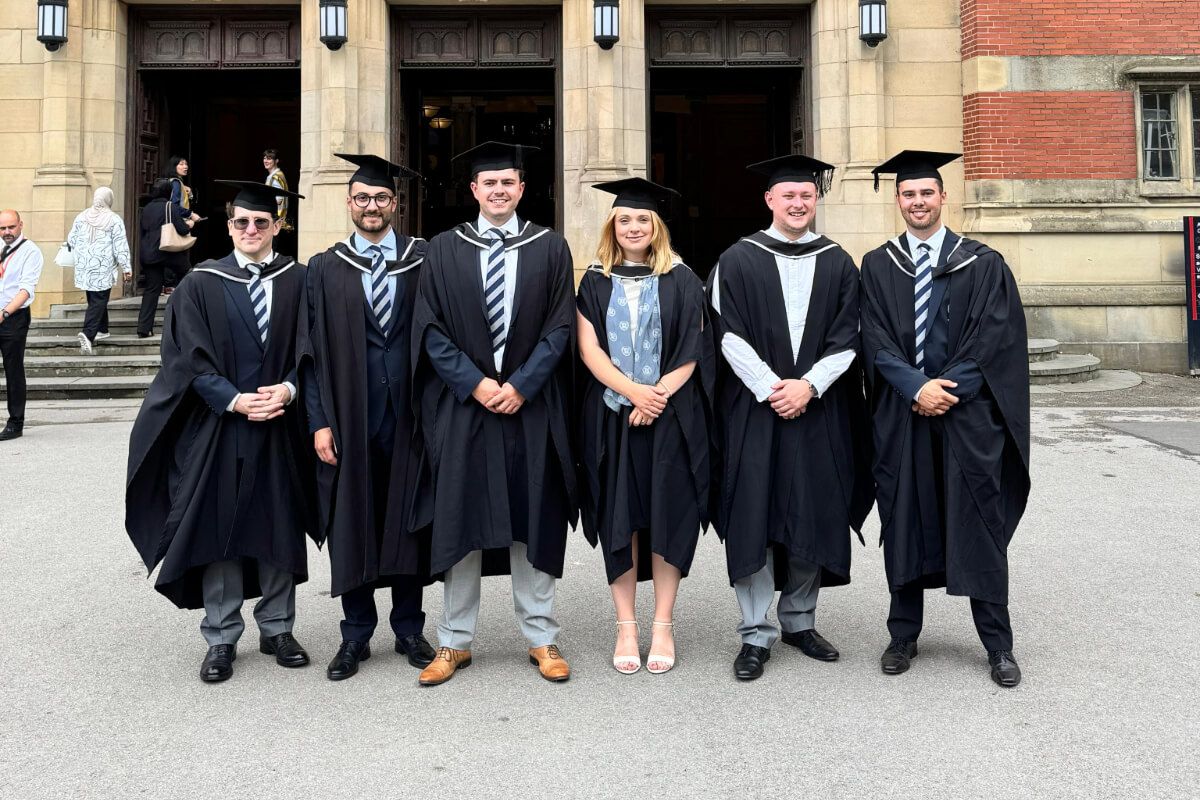

Tom Reid and Kristian Baker could have the definition of “busy lives”.
The pair took over the former Sunningdale Ladies Golf Club in 2019 and increased the membership from under 200 to just shy of 600.
They’ve now acquired Merrist Wood, in Worplesdon, and have embarked on an ambitious renovation of the Surrey venue.
But they also teach 100 junior golfers every week at Sunningdale Heath, through nearby schools and the club’s Junior Golf Academy, and are coaches helping professionals and leading amateurs to reach their potentials.
It’s a lot of plates to spin, but Reid, speaking on an episode of The GBQ Podcast, said: “It’s just something we love. Good coaches don’t just have technical notes. They love people and we’re in the business of people so it would be foolish to stop doing that.
“It’s just a question of trying to manage how much of it you do and when – against your laptop time, as we call it, and of course your family time.”
How does that happen? Reid and Baker take you through some of their key principles…
Your coaching style needs to evolve
For Reid and Baker there is a constant desire to learn, even if they are investing their own business as well as their development.
“We’re trying to figure out how we evolve as professionals – because our passion and love for coaching is probably stronger than ever,” Reid explained.
“The demand for our coaching is really high and we’re very flattered it is going well.
“Coaching projects do keep coming up. We generally don’t say no to everything. We just try and make things work. The fact there is two of us makes our life a lot easier.”
Baker added: “Our coaching has evolved as well. We were approached a few months ago by a young lady who plays on the Ladies European Tour, who was looking for some coaching, and we suggested we take it on as a joint project because we felt it would work.
“We’d never done that before but we felt that would work really well because we can give them way more time that way.
“What we’ve also done – with our experience and contacts – is brought people into that team. That seems to have worked really well.
“So I just think our coaching has evolved. I don’t think it’ll ever be something we won’t do – having done it for so long.
“But we’ve evolved in the way we teach a little bit as well.”
Divide and conquer
Don’t try and do it alone. If Baker and Reid lean heavily on their long-standing partnership they’re also not afraid to devolve responsibility.
Reid said: “I think Kristian and I will always be connected to golf coaching. We are running and developing golf clubs, but we do have seven golf coaches employed now at Sunningdale Heath, who are helping take up the load of all the contracts we have.
“We’re understanding we need to spread our team out, ensuring everyone is aligned in terms of standards – not technical models but standards of lesson professionalism. That’s really helped us.”
“We need each other. I think sometimes it is divide and conquer,” he added. “We are growing our team as well, which has helped us with our time management.
“We’re growing a team of people around us at Sunningdale Heath and at the new project that can take up a lot of that slack, and then we can really just focus on what it is we believe we’re really good at.”
Take what you already know and adapt
The duo learned their craft at Wentworth, where lots of responsibility and lots of hours were the norm. On top, Baker was also coaching Ross Fisher on his way to becoming established as a European Tour stalwart in the 2000s.
He said: “I was spending a lot of time travelling on tour with him and some other players, but we would still be at Wentworth and semi-responsible for the retail side, which was a million-pound turnover business per year.
“We’d have corporate coaching. Typically, we’d have golf days five days a week and anything between 100 and 200 people on site at any one time where we would be involved in the coaching.
“Plus, you’d have all the members you were teaching.”
It was lots of hats, but Baker said the skills learned then have helped them acclimatise to their dual responsibilities in coaching and management.
“We just changed the roles effectively,” he said. “I think you learn, ‘how do I be over there?’ Then an hour later, ‘I’m going to be doing this’, and then’ I’ve got to sit down and do that’, and then ‘we’re going to go up to London and we’ve got to do the buying from X, Y, Z company for spring and summer next year’.
“There were so many different roles and that was what probably equipped us back then really well. A lot of those skills we took from then and are just really applying them now.”