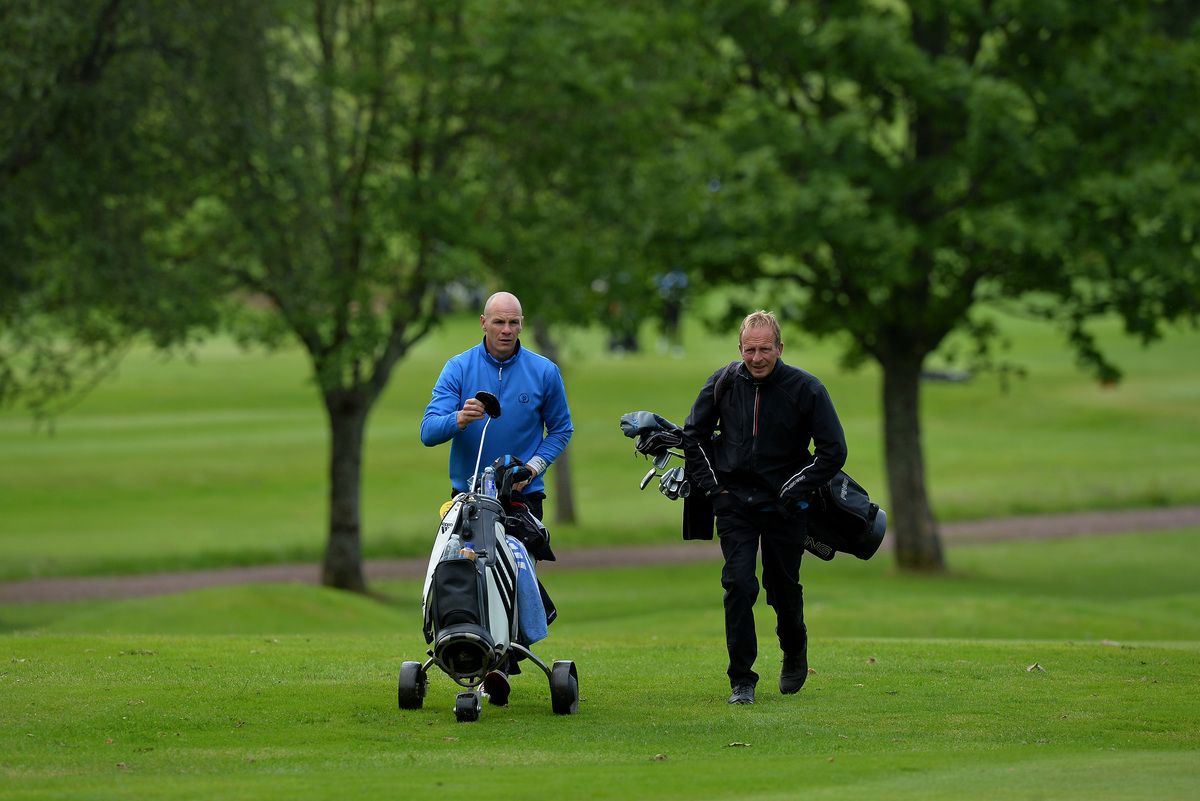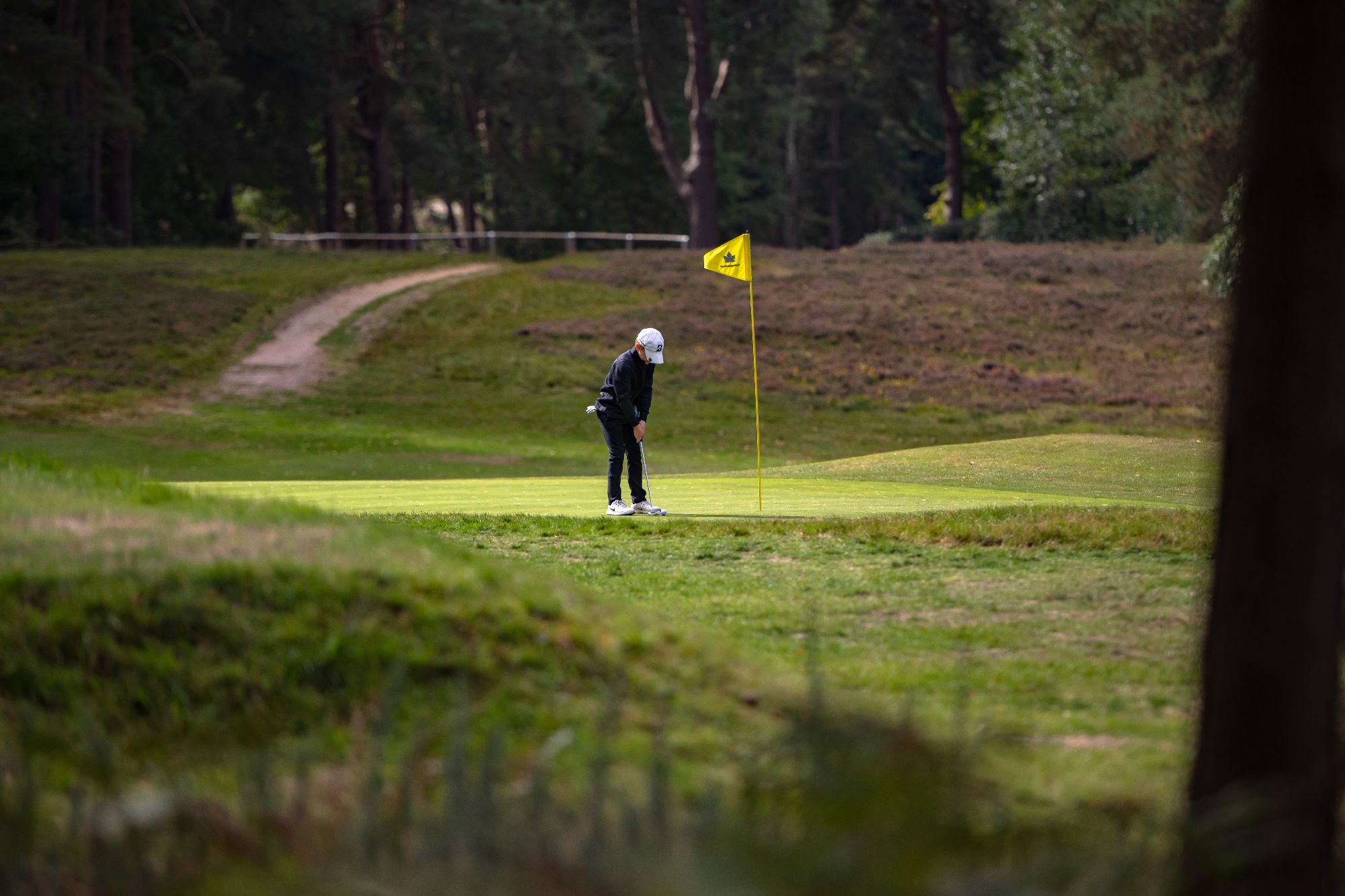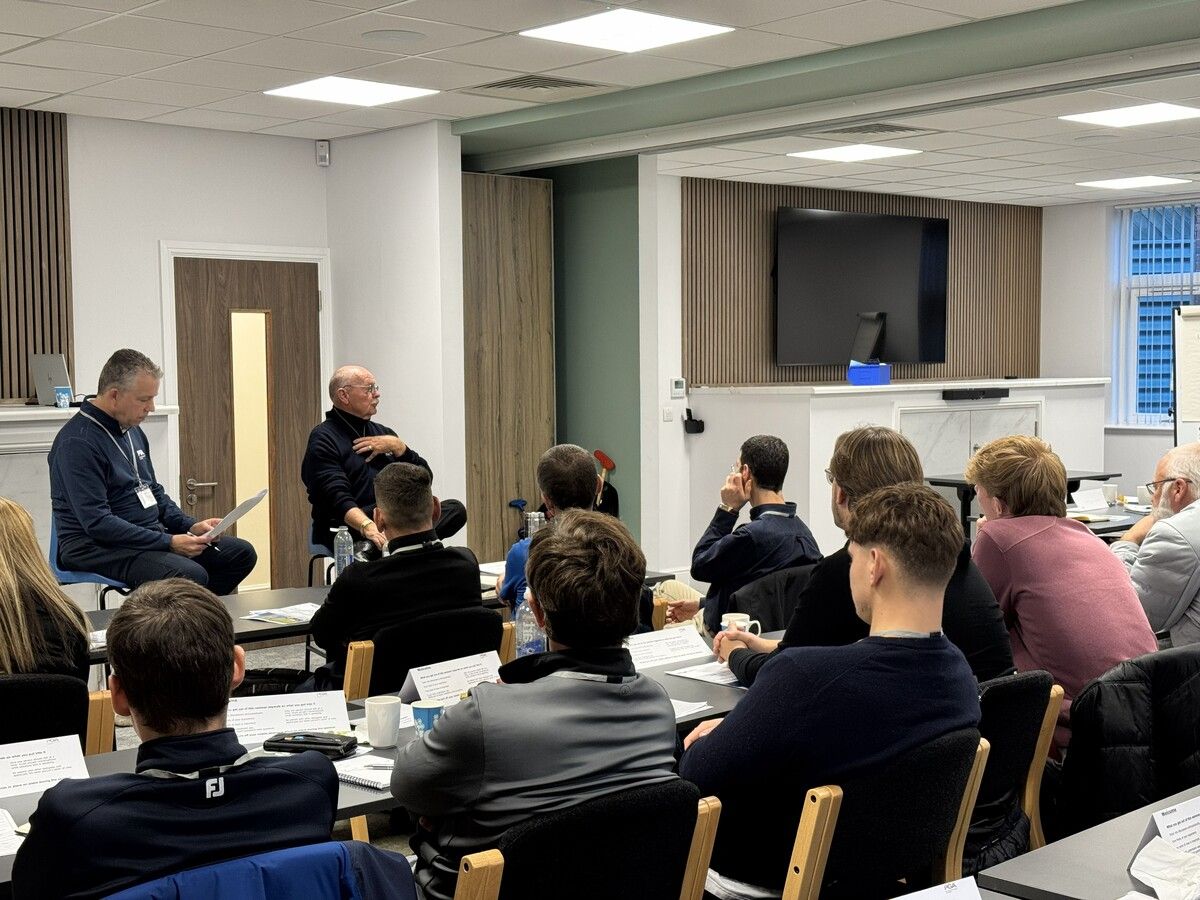


Jack Cole offers some insights into how coaching practices should be adjusted to cater to both young and older golfers equally effectively
As a golf coach you are challenged every single day to be able to deliver to the unique needs, goals and learning styles of each individual.
While juniors and adults share some overlapping fundamentals, such as the importance of clear communication, there are significant differences in a variety of factors including lesson structure as well as psychological and social characteristics.
Communication
We have a duty as coaches to deliver the simplest information to students whether they are juniors or adults.
When communicating with juniors, the simpler and clearer the information the better, usually in small bitesize chunks.
Adults still need easily digestible information too, but may well also need answers as to why we as coaches are altering certain pieces of their technique and in certain instances will challenge why changes are being made.
To both juniors and adults, choose your words wisely!
Do not be deterred from having periods of silence with adults as they process information and put it to the test.
With juniors, periods of silence are less common. For example, a junior may want to talk to you about something completely different to golf, and that is absolutely fine providing coaches stick to a flexible lesson delivery and provide gentle appraisal and positive reinforcement throughout. However, this needs to be more accurately delivered in terms of using it when absolutely necessary, whereas for juniors to keep them positive and engaged it may well be used more frequently.
Although communication can differ, this quote certainly applies to both juniors and adults:
"The purpose of education is to help them to learn, not to teach them all you know and stop them from ultimately learning.”
- Rogers, 1961
Your general adult lesson is coming to you looking to adapt current habits and engrain differing techniques.
Altering habits and building in practice structure can often be more challenging with adults, as they have to be in the right space mentally to commit to making changes to their current technique and dedicate the time to practise. Managing an adult’s expectations can also be more challenging.
Juniors, who are in a crucial phase for motor skill learning, often do not have engrained movement habits and are less aware of taking on technical adaptations.
When tasked with changing a technical piece in their movement, they may well struggle initially. This could result in a poor outcome thus making them struggle more mentally with a change than an adult. This should be carefully observed by a coach on a player-by-player basis. Practice habits are encouraged early on in a junior’s development, and practice structure can often be easier if a junior is part of a coaching group that is on at the same day and time every week, compared to adults.
Often this can be the case as a junior will be driven to a golf lesson by a parent/carer and as these people are paying for the lessons, attendance is important. Adults may not be able to book practise sessions in their diary due to the ever-changing nature of work and family commitments.
Learning styles
In our experiences, juniors typically learn best through experiential, hands-on, play-based activities. They benefit from visual demonstrations, simple instructions and repetition. Games and challenges engage their attention and help them take on new ideas and potential technical alterations. Because their cognitive skills are still developing, complex ideas or too much information can overwhelm them. Immediate feedback and positive reinforcement are essential for maintaining motivation and focus.
Adults often have a more self-directed learning approach and prefer understanding the ‘why’ behind each concept, as highlighted previously.
Adults learn in a variety of ways and may well point out their preferred learning style. However, research suggests that simply going down this route can affect the learning of a new skill or movement. Effective coaching sees coaches establishing the appropriate delivery of a session for each individual golfer, whether they are in a one-to-one session or as part of a group.
While we still try to gather learning-style information from adults and parents of juniors, it is important to acknowledge that multi-sensory learning is seen to produce the best results. In some instances, challenging all golfers in a variety of different ways can have longer-term benefits in retaining a skill, instead of simply coaching them to a single style of learning they may have identified as their preferred choice.
Our advice for teaching both junior and adults? Allow them to learn in a variety of ways.
Session structure
When looking more at individual coaching sessions, our structure between an adult and junior is completely different. An individual junior lesson should follow a simple structure, perhaps with a game entangled with a piece of technical information that will gently be encouraged.
For juniors brand new to golf, the emphasis should be on developing a love for the game, developing fundamental skills and building confidence. We will focus our sessions around games that will naturally encourage different movement patterns, problem solving as they go along.
For adults, the approach is more outcome-driven, with a clear start, main body and conclusion to a lesson. For an adult, whether the goal is a lower handicap, hitting the ball further or improving their short game, we design sessions that allow them to showcase a problem, receive a solution and implement a practise plan to achieve the improvement.
We want measurable progress while accommodating the individual’s needs and limitations. In our adult sessions we try to finish each lesson in a way that allows the adult to reflect on their practice and be able either to demonstrate or explain what they are going to work on in their own practice time.
"Coaching juniors and adults presents entirely distinct challenges and rewards. Coaches who embrace these differences not only enhance their coaching impact, but also grow their coaching pedigree and foster a love for the game across generations."
- Jack Cole
We use technology with almost every adult lesson we deliver in a bid to showcase a change they may have made during a session, which will be centred around ball-flight changes. Although we will also use technology for juniors, this is more for games and fun purposes. Using launch monitors and showcasing certain numbers to juniors is still a valuable exercise and something we do during sessions.
However, our emphasis with juniors is only to do so when absolutely necessary, perhaps to highlight a movement in a positive light to help us with our coaching processes. However much they like to use electronic devices at home, we will keep them in moderation.
Social characteristics and group learning
When looking at junior and adult lessons, more often than not my coaching diary will be full of group junior lessons and individual adult lessons. There are many reasons this happens – like how we deliver our golf programmes to people.
Looking at it from a social characteristics perspective, juniors often view sports or activities as opportunities for social interaction and fun, so most of our junior sessions are in a group setting. They value peer relationships and learn important social skills such as teamwork, cooperation and solving tasks.
Coaches need to foster a supportive and inclusive environment, promoting positive peer interactions and sportsmanship.
Adults, on the other hand, may approach social interactions with a more goal-oriented mindset. While they appreciate camaraderie, their primary focus is often on personal development.
Social dynamics may include networking or seeking a community of like-minded individuals for mutual support. Coaches should acknowledge these social motivations, balancing individual focus with group dynamics where appropriate. In both cases, understanding the social environment helps coaches create a positive atmosphere, but the emphasis for juniors is on social learning and inclusion, while for adults, it is often on community and shared goals.
In summary
Coaching junior golfers often requires a focus on engagement, fun and fundamental skills, with a coach having to be extremely flexible in how lessons are presented. With adults, providing clarity on what they need to practise, managing expectations and providing a structure that fits with their goals are seen as essential.
Coaching juniors and adults presents entirely distinct challenges and rewards. Coaches who embrace these differences not only enhance their coaching impact but also grow their coaching pedigree and foster a love for the game across generations.

About Jack Cole
- The School of Golf
- Essex Golf Union Lead Junior
- Development Coach
- [email protected]
- Instagram @theschoolofgolf
Throughout 2025, we have gathered contributions from many of the game’s pre-eminent figures in golf coaching. To see each article, click here.