
Advanced Fellow Coach Neil Harvey, based at the PGA Training Department, is renowned for junior development work. He examines the opportunities that par 3 and short courses can offer
Par 3 golf courses, with their shorter holes and often more relaxed atmosphere, offer unique opportunities to a skilled PGA Professional. Even European golf legend Nick Faldo recently expressed his desire to promote shorter venues when he spoke at the PGA Dinner at St Andrews.
These venues can often be under-utilised due to the lack of association with the established golf community, NGBs and appropriately skilled individuals.
Outstanding examples of junior golf structures can be found across the country, but successive nation-wide attempts over many years to build pathways into golf from schools, for example, have seen sometimes patchy success.
However, PGA Professionals can use these facilities to bridge developmental pathway gaps. These skilled practitioners can develop sustainable business models and streams of passive income, with positive influences on their wider businesses and golf participation.
Maximising opportunities requires creativity and strategic planning. So here are some key areas to consider:
1. Know your market
Given the right activity, all types of golfers can enjoy a short version of me. Start by identifying groups who could meet regularly. A host of community groups might embrace ‘golf in an hour’, evading much immersion in ‘golf culture’ – at least to start with.
2. Devise an innovative competition framework
Golf often presents an intimidating environment for inexperienced players. The game’s common barriers to entry are well-known: dress rules, golf etiquette and rules, cost, lack of equipment etc. However, we often overlook the difficulty of the game itself. Golf is hard. Players can take a while to feel comfortable on a real course at the pace of play expected. On the other hand, people do want to play the game, and one of the main ‘hooks’ is to see the initial handicap reduce, no matter how high the original number. The impact this has on people, and their feelings of self-confidence and validation with their peers, can be transformative. So, giving players a short-course handicap straight away, along with an accessible set of rules and etiquette appropriate for the micro-club you’re creating, helps to nurture players through their formative experiences of the game. The right level of challenge in the whole experience (both socio-cultural as well as the new skills to manage), can result in much higher quality engagement from your new players. For all levels of performance, setting an appropriate level of challenge has been shown to influence skill learning and engagement.
3. Develop a bespoke identity and golf culture
Comprehensive, well-presented planning and regular communication, both with players and golf club stakeholders, will help build a culture in which everyone sees the benefit of the project. This includes a comprehensive financial plan for the club, as well as the lead coach’s management fees.
The type of players who might normally play Golf Sixes events will require different support structures and levels of jeopardy from a group of senior citizens. A performance group might be far more concerned with data points or deeper self-reflection.
4. Create a volunteer network
Your volunteer network will be a key resource. Each activity should be supported by a small committee of individuals who can take on the burden of administration (handicaps, communication and scheduling etc.). These individuals will be invested in the success of their group, providing much of the impetus for growth. The PGA Professional can provide the management skills and guidance required for appropriate interventions as the activities develop. As an example, when attendance rates for junior par 3 competitions grow, some of the players will improve to the point where the holes could be made harder, to accommodate a higher division of players, or they could be picked for match play teams. This provides an opportunity for different groups to play each other, thus further consolidating the short course community.
5. Sell, sell, sell!
There is no point spending all your time working to create the best golf academy structure in the world if no one knows it exists. Tell everyone your vision. Help them to become invested in your story and show them this is your passion. Word of mouth builds reputation. It’s an effective, if long, process. So, if you want to attract good numbers early, make a splash!
Utilise social media platforms to promote events and the community spirit. Share customer testimonials and highlight special offers. Consider collaborating with local influencers or running targeted ads to reach a broader audience.
6. Demonstrate your value to the club
The value of the PGA Professional to club business should be clearly presented, as well as to the wider golf community, associations and unions. This is an important aspect of our professional practice that many professionals find does not come naturally. However, our roles as facilitators, organisers, mentors, managers and role-models have a huge influence on industry participation and income. We should explicitly show our value.
7. Identifying funding opportunities
Several organisations, including councils, charities, associations and unions offer financial support for community and sport projects. It is well worth doing your research in this area, as well as looking for potential sponsors.
8. Creating pathways to membership
Turning people into ‘golfers’, who feel at home in the culture of golf, takes time. People are attracted to it for multiple reasons, including building social lives and, if the environment created addresses key barriers, players gravitate towards deeper involvement and ultimately membership at an established venue.
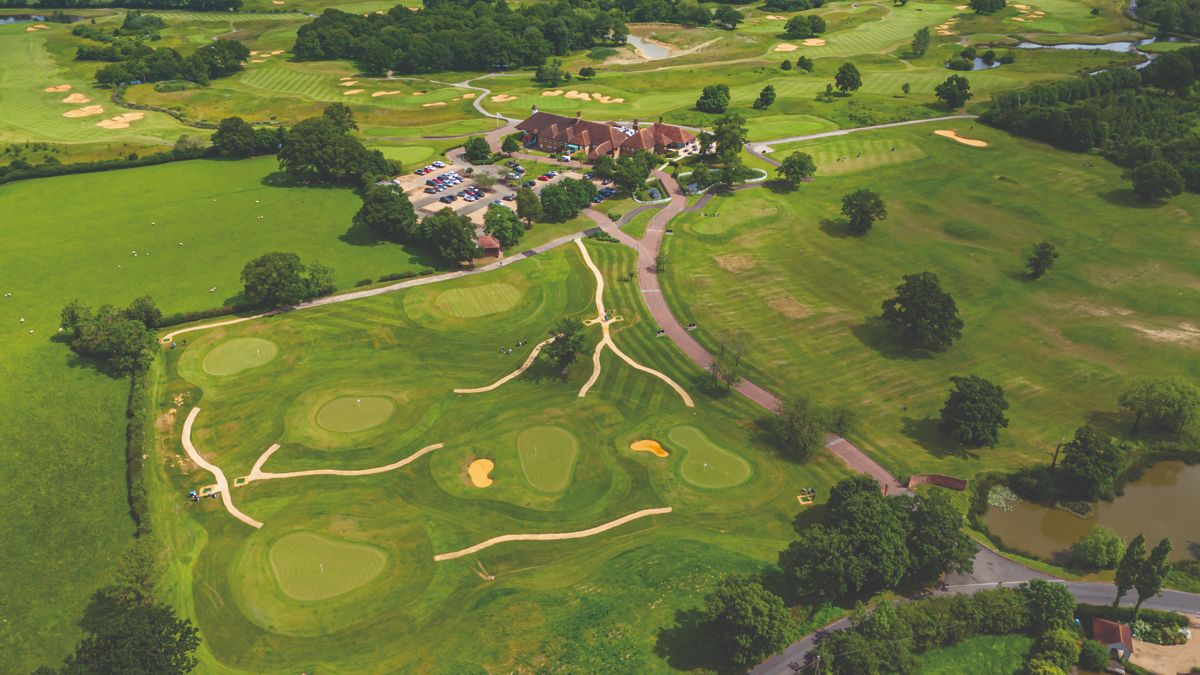
From creating events to building community, there are many ways to turn your additional footfall into a more sustainable business
1. Stage open par-3 competitions
Hosting an ‘open’ short-course event can potentially attract many more players to your venue than an in-house competition. It might seem counter-intuitive, but an open event with no handicaps can be a really fun day out.
Providing imaginative categories for prizes means everyone can have a chance to win something, whether the overall scratch event, a category or a ‘hidden team’ prize.
2. Set up themed events
Hosting themed golf events can draw in crowds and create memorable experiences. Consider organising events like “Glow Golf Nights,” where the course is lit up with neon lights and glow-in-the-dark balls. This not only attracts regular golfers but also appeals to families and younger players looking for a fun night out. Seasonal themes, for Halloween and Christmas, can also add a festive touch and encourage repeat visits.
3. Offer clinics and workshops
This will attract beginners and intermediate players looking to improve their skills. Partner with local pros to provide lessons on specific aspects of the game, such as putting or short game techniques. These clinics can be scheduled during off-peak hours to maximise course usage and generate additional income. A short course area can be used flexibly. A coaching event based around skills challenges on a few holes, with the help of a team of coaches, can be a very enjoyable and transformative activity for players of all abilities, as well as being a fantastic social event. Consider setting up a BBQ to create an informal feel and great networking opportunities.
4. Create corporate and group packages
Targeting corporate clients and groups can significantly boost green fee income. Create attractive packages that include not only golf but also catering and meeting space. Companies are always looking for unique team-building activities, and this can be an excellent option. Offering discounts for larger groups or repeat bookings by implementing the regular competitive structure discussed previously can further incentivise these clients.
5. Develop a membership programme
Developing a membership programme can provide a steady stream of income. Offer different tiers of membership with varying benefits, such as unlimited play, guest passes and discounts on merchandise and food. Special perks, like members-only tournaments or early access to tee times, can make it more appealing.
6. Develop a junior programme
Investment in junior golf pays off in the long run and creates multiple indirect benefits. Summer camps, after-school leagues and weekend clinics introduce the sport to a younger audience, encouraging families to visit more frequently. This a great way to build the on-course participation.
7. Engage with the community
Engaging with the local community can build a loyal customer base. Host charity tournaments, sponsor local sports teams or participate in community events. Building relationships with businesses and organisations can lead to partnerships and increased visibility.
8. Negotiate a management fee
Your expertise as a PGA Professional is valuable. Your project will generate sustainable business. To avoid your own income being limited to the initial creation time, negotiate an ongoing management fee.
Conclusion
By implementing imaginative strategies, par 3 and short-format golf courses can not only increase green fee income but also create a vibrant and welcoming environment for golfers of all ages and skill levels. The key is to continuously innovate and adapt to the changing needs and preferences of your clientele.

About Neil Harvey
Neil Harvey (Advanced Fellow Coach) is PGA Module Lead for Golf Coaching – BSc Professional Golf
Throughout 2025, we have gathered contributions from many of the game’s pre-eminent figures in golf coaching. To see each article, click here.