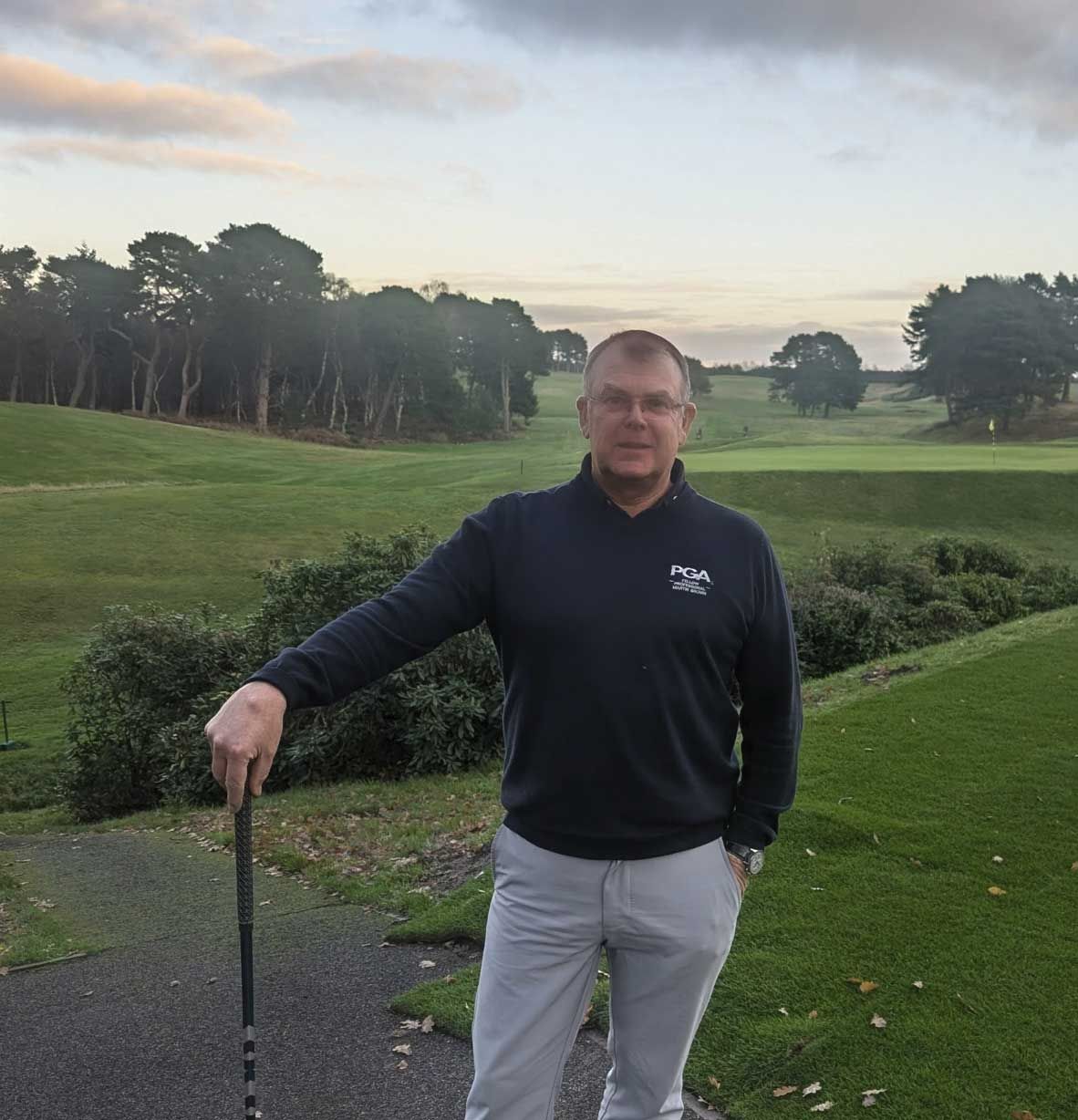
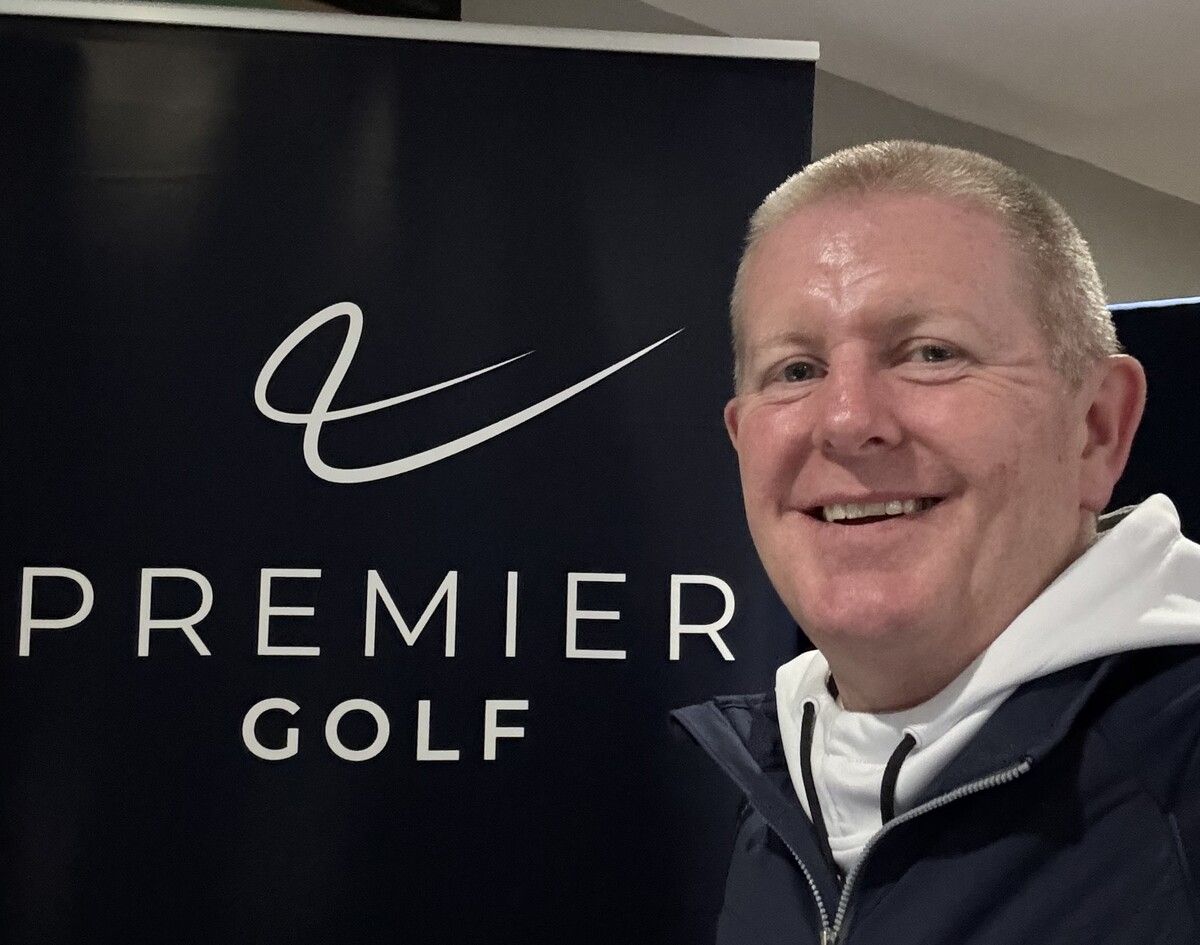
When Martin Brown arrived at Delamere Forest back in 2007, he stepped into a role steeped in tradition. The Cheshire club had existed for nearly a century and had employed only three Head Professionals in all that time.
Brown became the fourth, a position earned through a career that began when he turned pro at 16, completed his PGA training early and went on to work under Ryder Cup player Tommy Horton at Royal Jersey before taking Head Professional roles in Scotland and then at Fulford. By the time he arrived at Delamere, he had already accumulated a wealth of experience across coaching, retail, operations and front-of-house service.
As with many long-established clubs, Delamere Forest has evolved over the past two decades. Membership expectations have changed, visitor numbers have grown, and the day-to-day operations have become more complex. Still, the club holds steadfast to its traditions and striking that balance is a key aspect of Brown's role.
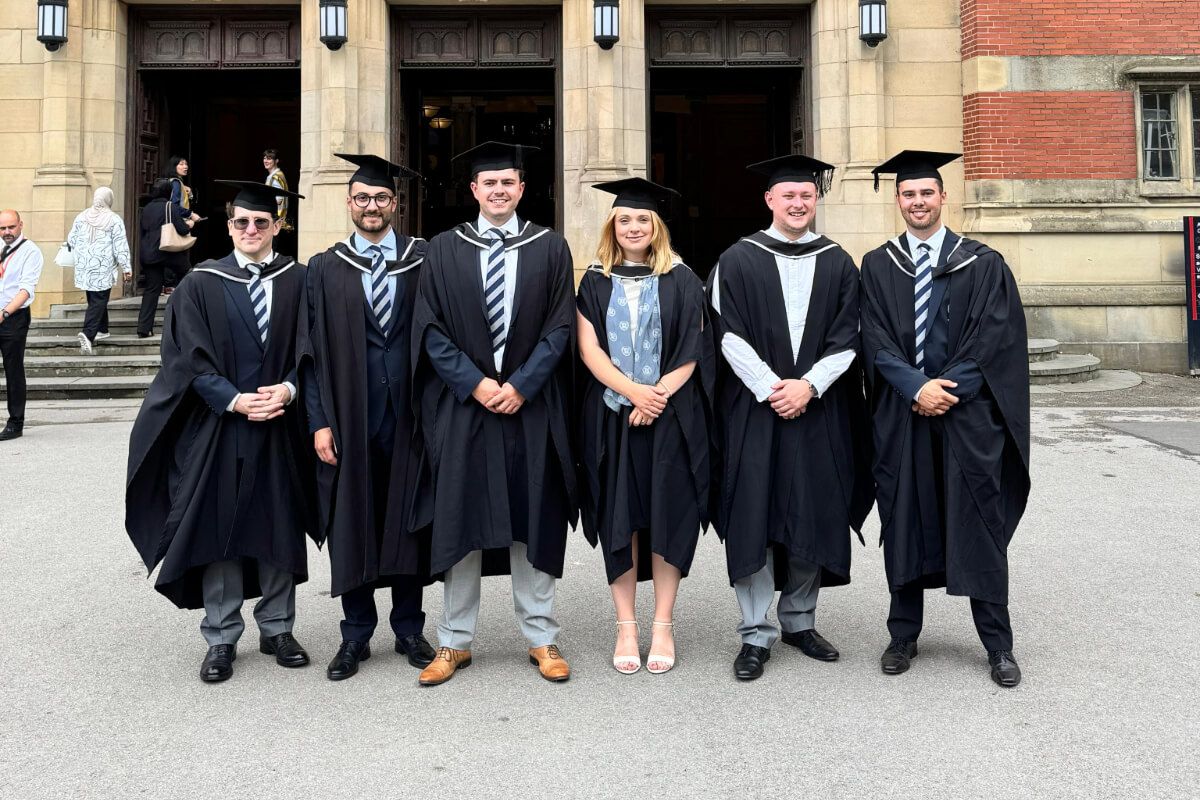
By 2018, with responsibilities expanding and the club busier than ever, he felt the need for a more structured framework to support his work. Undertaking the PGA Director of Golf qualification proved to be a turning point. He saw that formal education could complement, rather than replace, the instinctive people-focused approach that had always defined the role of a club professional.
"The nature of the job had changed so much that I was spinning too many plates to excel in any one area, and something had to give," he said. "It was clear I needed support to develop the business-management side of the role, and the Director of Golf programme offered exactly that structure and learning. It was the right moment to step back, reassess and make myself better equipped for the demands of the position."
As the course progressed, Brown found that the skills he was developing supported both the traditional and the modern aspects of club life.
"My business-management training proved invaluable across many aspects of my role as Head Professional," he said. "It strengthened my personal organisation, strategic and operational planning, people management, financial oversight, marketing, and customer service.
"It also developed my understanding of legislation and compliance in the wider context of golf-club operations. This broader awareness has helped me contribute more confidently and constructively to club matters and the sub-committees on which I serve."
One area where this education became particularly useful was in helping the club make better-informed decisions without losing sight of Delamere's culture.
"These skills enabled more authoritative discussions around income streams," he said. "By collecting and analysing data, we gained a deeper understanding of our customers, which not only helped to increases revenue, but also provide the experience they expect."
The heart of Brown's role remains the relationships he builds — with members, visitors, staff and fellow professionals. Those personal connections, central to Delamere's character for more than 100 years, continue to underpin his day-to-day work. The business skills he gained simply gave him a stronger platform from which to support the people around him.
"Overall, the programme helped me understand the business more comprehensively, and also deepened my appreciation of the challenges and responsibilities faced by other departments: the Course Manager, House Manager, and Club Secretary," he explained. "When department heads combine their experience with ongoing education, it creates a strong team spirit, one that can only enhance Delamere Forest going forward."
For Brown, whose education and CPD pursuits have earned him PGA Fellow Professional status, the value of the Director of Golf qualification lies as much in sustaining the traditions of a members' club as in meeting modern expectations.
"I appreciate that many undertake Director of Golf training with the intention of progressing their careers and moving on," he said. "I understand that ambition. However, the value of the education extends far beyond career mobility; it elevates you personally and professionally within your current role."
Today, Brown's contribution blends heritage with evolution. His business insights inform strategic thinking, while his visibility around the club and the relationships he maintains ensure that Delamere's long-standing values remain at the forefront of every decision.
"I am fortunate to be at a wonderful club, serving as only the fourth professional in 116 years, and this education has prepared me for the ever-evolving challenges facing our industry," he said.
That blend — respect for tradition, strengthened by modern knowledge — continues to shape his work. And, as Brown often reflected, personal and professional development need never stop.
"Be a lifelong learner," he said. "If you lose ambition, you may as well roll over and die to some degree. It is not as fearsome as people think, learning later in life. For me, it almost became addictive."
To find out more about the PGA Director of Golf qualification and sign up for the upcoming induction day, click here.