
Becoming a coach for disabled golfers is about ‘making yourself vulnerable’, says Adam Baker, who has spent much of the past decade working in this area. Here are his key learnings.
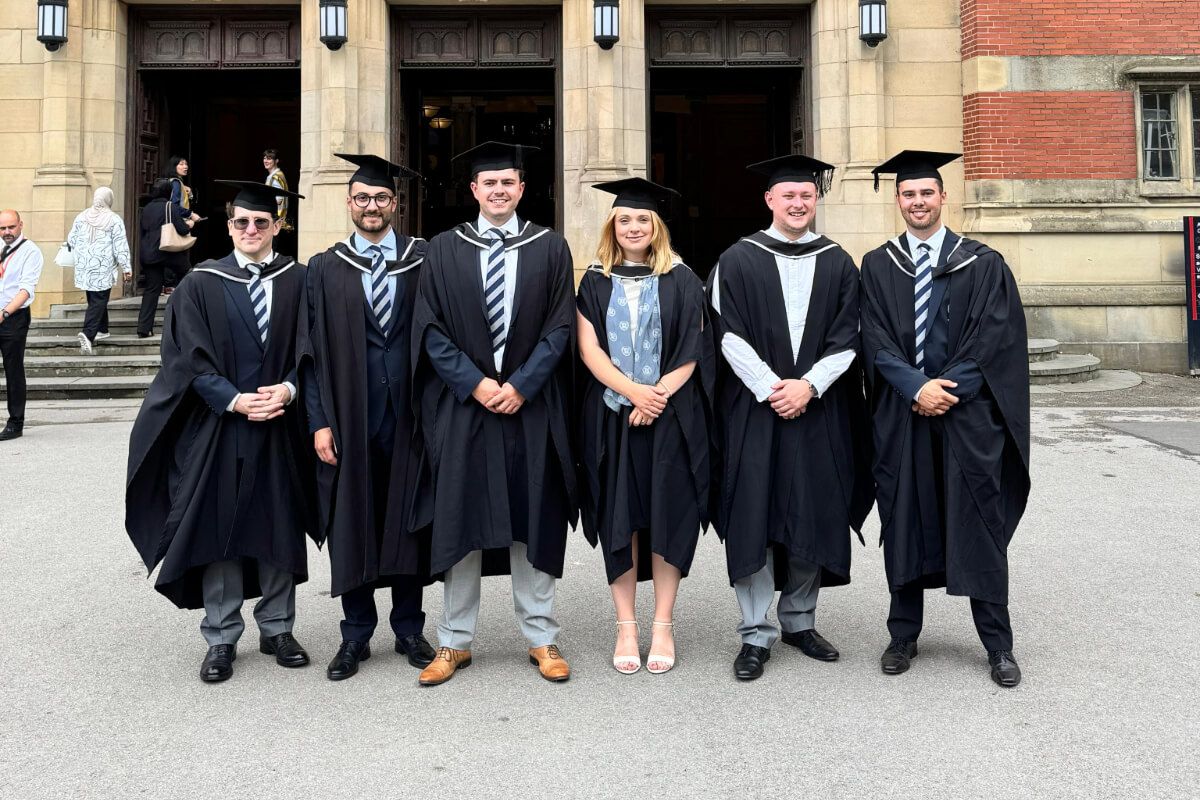
In June, Adam Baker (centre) took part in the Going the Extra Mile project, playing 18 rounds of golf in five countries across six days.
The project was the latest step in The Golf Trust’s work in introducing golf to people with disabilities. The funds raised are set to purchase three paragolfer all-terrain wheelchairs.
The charity also works with schools - including SEN schools - educating people on how to engage with those with autism, as well as care homes to tackle loneliness.
Over a decade ago, Baker began working with The Golf Trust and his passion for helping disabled golfers enjoy the game has grew.
Here, he describes how other coaches could forge their own path, and offers an insight into specialist equipment, facilities and how to adapt lessons to each individual’s capabilities.
What inspired you to specialise in disability coaching?
I had a meeting with Cae to ask if I could use their 9-hole course, and then he offered me a job.
He said, ‘This is my goal. This is what I would like to do with it. Do you want to come on board?’
You're not coaching golfers as the PGA manual would describe it. If you're not that way inclined, teaching those individuals is extremely tough.
His ability to get people on board was difficult initially. The charity was new and there was no foothold in the industry.
We started coaching in schools with a focus on disabilities. It’s proving to schools and the community that you're not a flash in the pan.
"Communication is key. The fear for coaches would be: What if I upset this person? What if I make a mistake?" - Adam Baker
How difficult is it to identify a disabled golfer’s ability and create tailored lessons?
We have individual content and we've got schools and community groups.
For groups, there’ll be a structure. For example, one day could be a session on putting, but if that means rolling the ball with their hand or using their foot or using the club, we work that out as we go.
Communication is key. The fear for coaches would be: What if I upset this person? What if I make a mistake?
You have to go into these sessions with an open-mind and with the view that they're capable of more than you think.
It’s the human side of understanding what that person is capable of. I've got to think of the best way of making the session work.
It's understanding what that limitation does to their golf swing. If this is the avenue that people want to go down, they have to know the mechanics from that person's standpoint.
Are there misconceptions about coaching golfers with disabilities?
I’d like to think not. But, there has to be some people that just wouldn't be interested.
That could come down to the ignorance of golf coaches thinking they can't teach a county golfer because they're disabled or they feel they want to each the 'best' golfers.
Do they understand it enough to coach that person with a disability?
Our question to everyone is, do you want to do this? I didn't complete my PGA qualification and think that I'm going to go down the route of working for my friend’s charity. Yet, I've never not enjoyed a lesson with anyone with a formal disability.
I care about the individual, but I don't care what that brick wall between us might be. We'll break it and we'll get them enjoying golf.
Is there any equipment or specialist tools coaches should know about?
The equipment we use for schools - and the community - aren’t real golf clubs or balls.
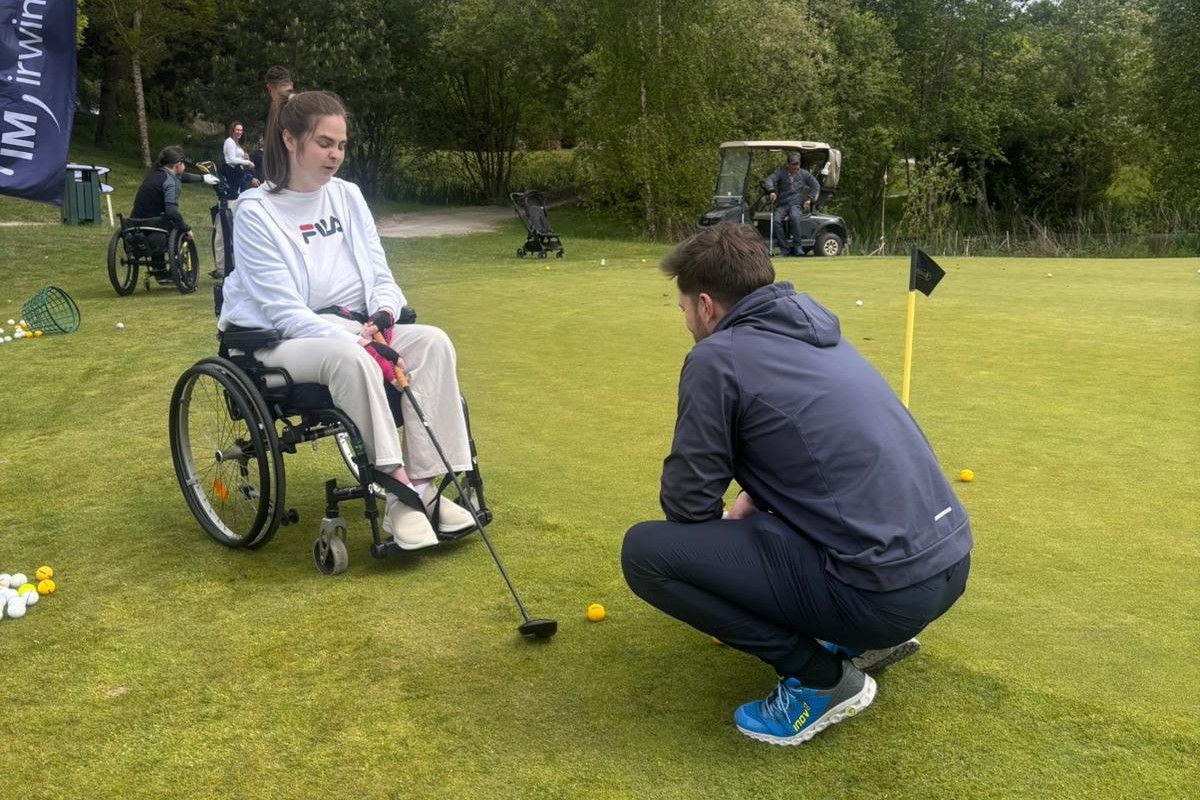
The paragolfer is designed to stand someone up with spinal injuries or mobility difficulties into posture.
PING are also designing a club where the neck and hosel can be adjusted. If you're sat in a wheelchair, it can change the lie angle for that person.
This would allow them to stay square to the ball in their wheelchair, and the club would be extended out, but the angle would be flatter.
Thee paragolfer is designed to support that person but then you've got to get that person hitting golf balls. The hurdles in those first few lessons are huge.
We've done lessons before where we will just stand the golfer up and get them comfortable. They don't even hit balls. We'll take them out in their wheelchairs and paragolfer, take them to the golf course so they can feel the grass and see the golf course.
How important is the role of accessible facilities?
Huge. If you've not got that, those people can’t come, it's as simple as that.
If you put a person with a disability in an environment where it's going to hinder them before they even meet us, it's impossible.
You’re going to do deter them. With some of our clients, their drive is unbelievable, but if you put up barriers, the long-term answer will be that person will stop coming.
If you're not approachable and the facility isn't accessible, you're making it really difficult.
“I care about the individual, but I don't care what that brick wall between us might be. We'll break it and we'll get them enjoying golf” - Adam Baker
How do you involve carers and family members?
They are their comfort blanket, and that’s your partner, your friends, or your parents. They're the safety blanket, and in time, we build their trust.
While I'm a stranger and they're working me out, we're the ones that have got to earn their trust. That person needs to be there. I want them there, so they know that person is comfortable. It's designed to be fun.
If they're calm, then it's not a daunting environment. The facility, the coach, and the equipment has to be level because otherwise, you tarnish everything that you've wanted to build.
How can PGA coaches get involved?
There are options for a coach within their county, perhaps a golf club that they know is already specialising in it.
Or just contact us! We specialise locally in North London, and half this year in West London. You can just contact us if anyone is interested.
There is also accessibility through The PGA, the R&A, and England Golf.