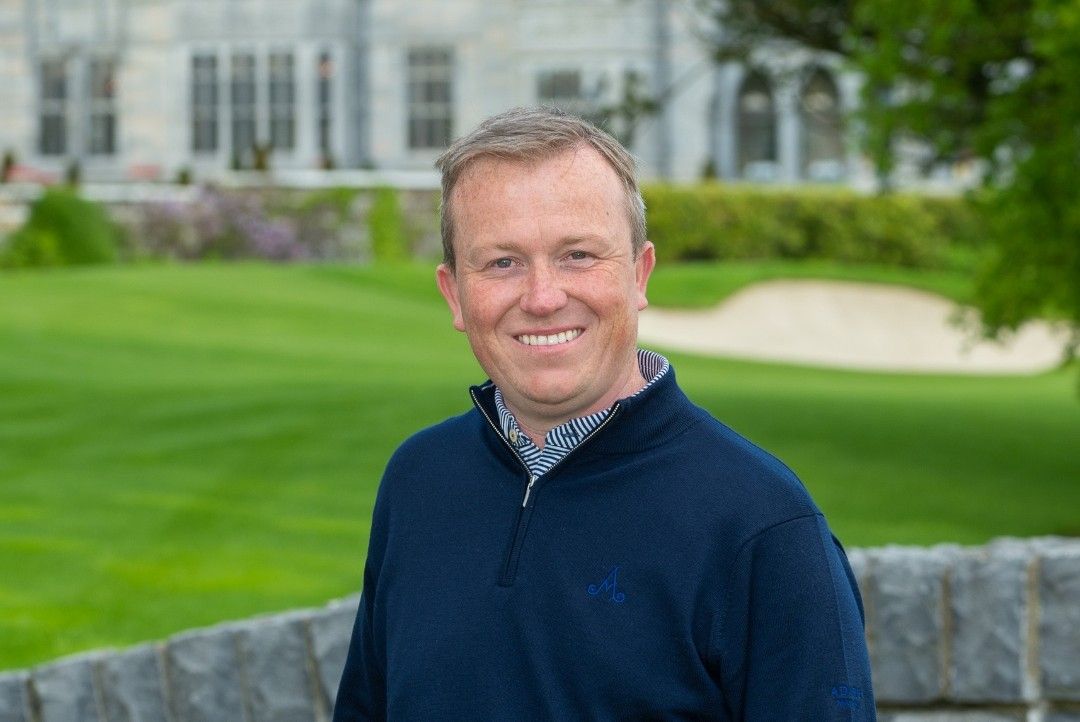
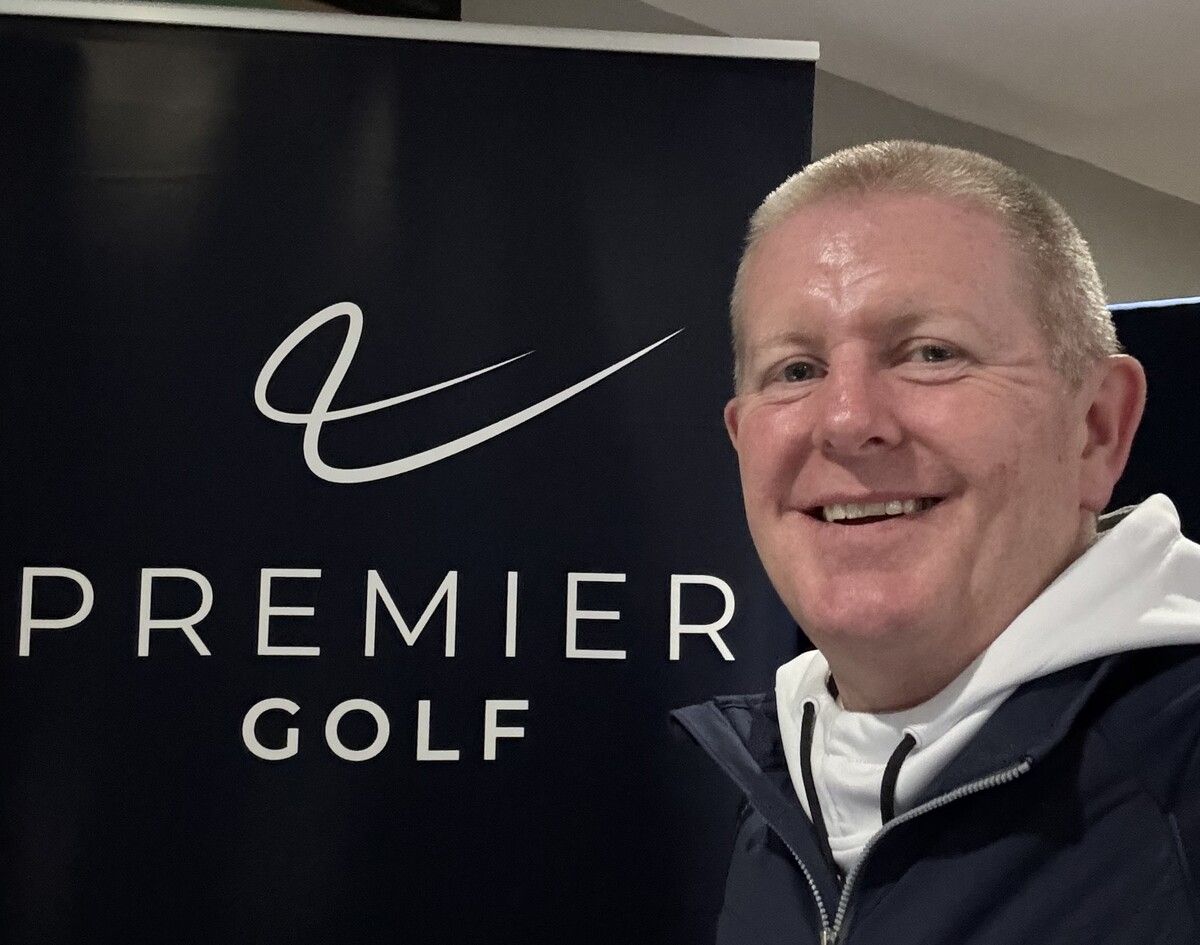


Nicola Melville’s passion for learning hasn’t just taken her career in some unexpected directions – it’s brought her recognition as a PGA Fellow Professional.
From her first role as an Assistant Professional at Blairgowrie 20 years ago, she has embraced Career Professional Development.
She completed the PGA Foundation Degree, while in post at the Old Course Hotel, and took a course in advanced Rules of Golf and tournament organisation.
Nicola would later join the PGA Rules panel in 2012. After completing the prestigious R&A Tournament and Referees’ Seminar in 2015, she officiated at the Women’s British Open at Royal Lytham in 2018 and at The Open in 2019 at Royal Portrush, as well as the Junior Ryder Cup.
A Tournament Director at The PGA until 2022, she has also continued to invest heavily in her coaching skills – holding the Advanced Certificate in Coaching along with numerous other qualifications.
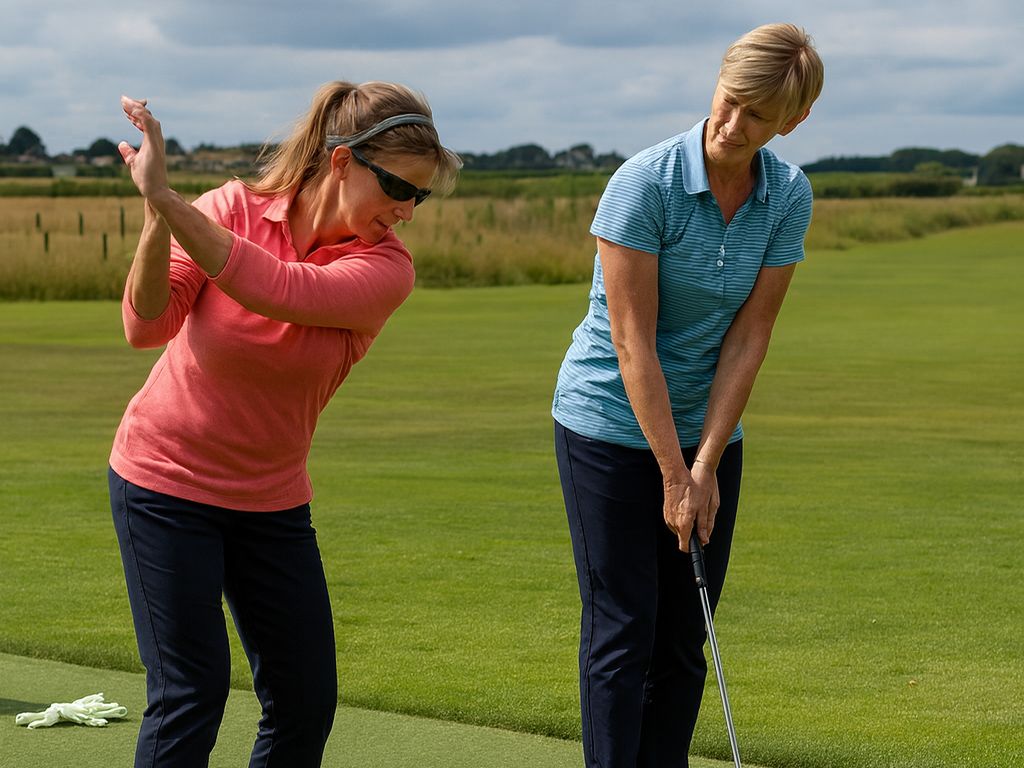
She is currently a freelance coach – Nicola Melville Golf – working out of several golf centres in central Scotland and offering performance coaching and swing tuition, supported by data and a player-led approach.
She explains why CPD and the PGA Excel process is so important and how it can set you apart.
What’s it like refereeing at a major championship?
It’s a little bit nerve-wracking. You can have a long period where nothing might happen and then all of a sudden you get called in. It might be something big, or you might have a few rulings back-to-back, so you’re always waiting for that moment.
Stewart Cink was in one of my groups at The Open and I was a forward referee for Rickie Fowler’s group. I’ve kept up to date with the rules changes but it’s a different part of my career.
How important is it for PGA Members to be up to date with the rules? Should they think about completing some of the CPD you’ve done?
I’ve always said – not only to players but pros – that it’s in your own interest to understand the rules. I’ve seen people get penalised over something fairly simple because of lack of understanding of the rules, but in a pro shop they are the first port of call when somebody is coming in off the golf course.
You don’t have to do much as I have in terms of the advanced side but there is a lot of knowledge out there that can be useful for anybody.
Congratulations on becoming a PGA Fellow Professional. What was the process?
In 2018, when I first applied for the Advanced stage, it was very different. But the new approach to the Excel programme certainly makes you think about your career.
You really look back over the years at what you’ve done and document it. That’s a very interesting process to go through.
How proud are you of your PGA Excel status?
I’m very pleased and proud. It’s very important. If you want to progress and distinguish yourself from others, it’s the way to do it. If you’re not doing it yourself, then somebody else in the industry is. It opens up opportunities and doors.
Your career – particularly being a PGA Member – can be almost whatever you want because of the various CPD, Excel, and the different paths you can take.
It rewards people who push themselves a bit further than the average and recognises that progression.
What advice would you give to fellow Members about PGA Excel?
There’s quite an in-depth process so I would leave themselves enough time before the next deadline to fill out the application.
I would gather all the documentation of things they’ve done, their CPD certificates, and pull out as much as information that helps them to put together the application as best is possible.
How important has CPD been to your career?
It can take you down surprisingly different paths you didn’t necessary think about. One CPD course in the rules inspired my career path in the rules and now I’m back into coaching.
With coaching, there are so many different courses you can take – so many specialities you can go down – because there is so much CPD with regards to psychology, fitness and technology. There are so many paths you can take.
To learn more about PGA Excel, click here.