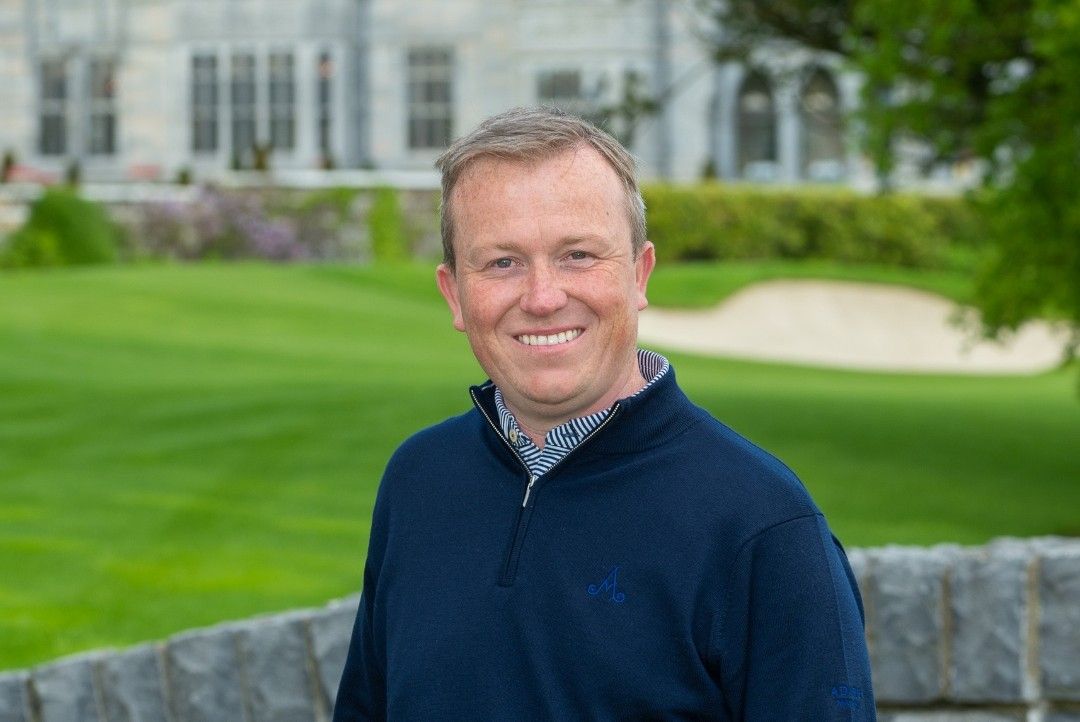
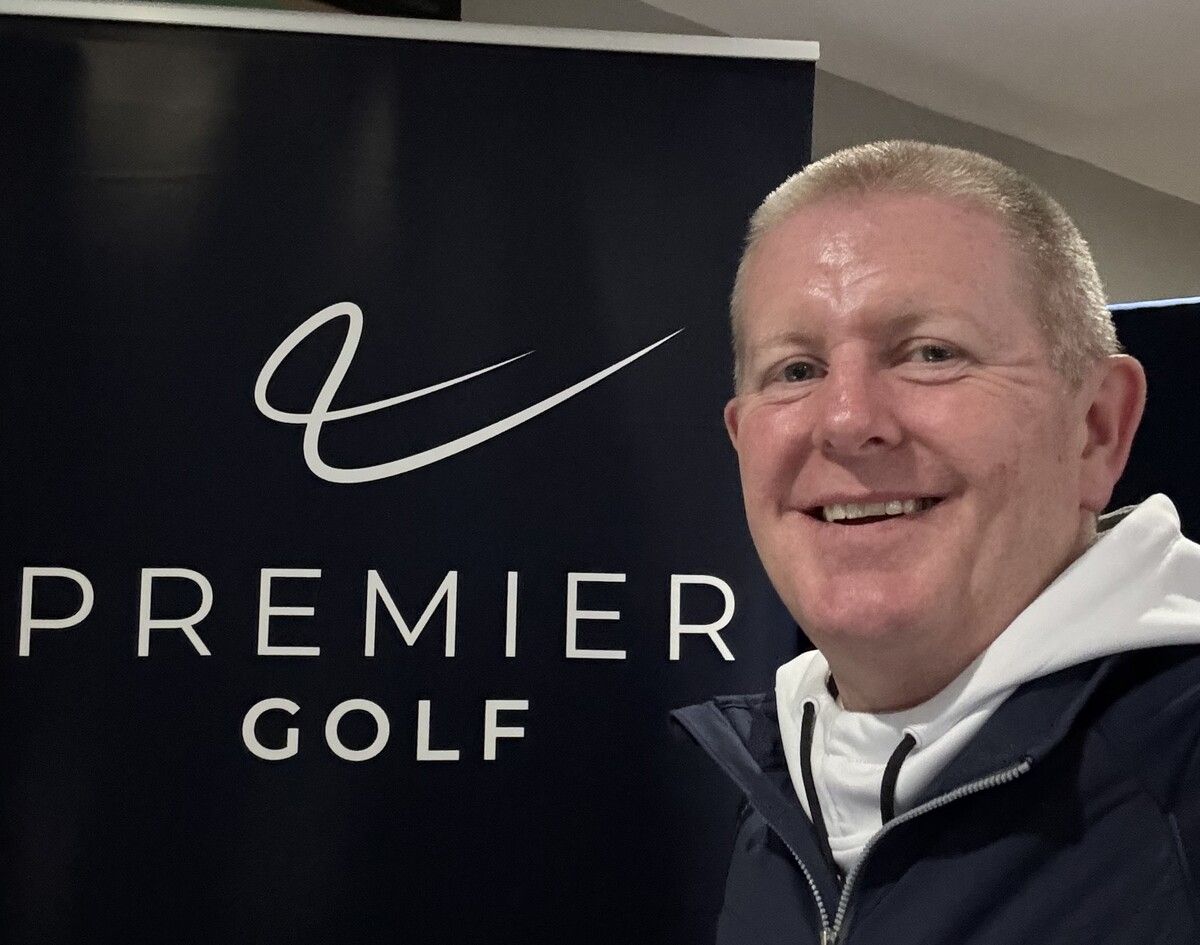


From humble beginnings selling balls at a golf centre in Stirling, PGA Member Andy McMahon has built a distinguished career in golf. Now he is preparing to take up a new role at a new golf club and resort in the Home of Golf.
After joining The Grove in 2005, he progressed from Assistant Professional to Director of Golf, before moving to Adare Manor in 2017 as Director of Golf Operations.
As he becomes Director of Golf at Hogs Haven, in St Andrews, McMahon reflects on his PGA Excel journey that recently saw him awarded Advanced Fellow Professional status.
He discusses how he approached the process, how long it took, and the guidance he would offer Members navigating their own development.
When did you begin your PGA Excel process?
I’d planned to go through PGA Excel for years but never committed the time to become an Advanced Professional before this. I effectively jumped from level one to four, if that makes sense. It’s a time-consuming process, and one of the hardest parts is having to praise yourself and recognise everything you’ve achieved over the years.
I was close to submitting last year but decided to hold off. I felt I could strengthen my application if I gave myself a little more time. Realistically, the whole process has been about 18 months in the making.
What advice on PGA Excel would you give other members?
My advice is simple: don’t do what I did. Don’t wait until you’re 40 or 41 to start. Progress as soon as you’re eligible, if you can become an Advanced Professional, do it, and when you have the skills to become a Fellow, take that step too.
If you leave it too long, as I did, it becomes a much bigger task. It takes time to get everything down on paper and to remember what you achieved 10 or 15 years ago. The best approach is to log things as you go and include them in your application as soon as they’re relevant. The ability to continually update your application is great and sits in your emails so it should be relatively on hand when time allows.
What does going through PGA Excel show?
It shows that you’re committed, open to feedback, and willing to continue learning. It demonstrates that you still see yourself on a journey to improve. If you’re working on making yourself better, you’ll naturally bring that same mindset into the workplace, helping to improve your team as well. Ultimately, that’s what we all want to achieve.
How proud are you to get to this stage?
Pride is exactly the right word. It’s incredibly rewarding to have your work recognised. It’s one thing to write down your achievements, but it’s another to have assessors validate them and confirm that you genuinely belong in such a small, distinguished group.
When you consider the number of PGA Professionals out there, very few reach these designations. Being recognised by your peers is one of the greatest professional honours we can receive.
What advice on career progression would you offer other PGA Members?
Learning is important, but understanding how you learn is equally important. Some people absorb information best through webinars or podcasts, others need face-to-face interaction, and some prefer exams or structured study.
Figure out what genuinely helps you develop. Otherwise, you risk spending time thinking you’re learning when you’re not getting the most from it. It’s no different from coaching, we teach players in the way they learn best.
When it comes to CPD, shift your mindset away from seeing it as a tick-box exercise. Yes, accreditation matters, but the real value is in the learning itself and the growth you experience along the way.