


Luke Robinson summarises the key findings from a recent survey of female touring professionals, highlighting current practices, barriers, and opportunities for improvement
Strength and conditioning (S&C) training has increasingly become recognised as a vital component of golf performance. Traditionally viewed as a skill-dominant sport, golf is undergoing a paradigm shift with professional players and coaches acknowledging the physical demands required for optimal performance. This shift has been driven by research demonstrating links between physical attributes such as strength and power—and golf metrics like clubhead speed (CHS), ball speed, and driving distance.
However, despite recent research on physical performance science, the practices and perceptions of S&C in female professional golfers remain underexplored.
Survey Overview
Methodology
A cross-sectional survey was conducted between January and September 2023, targeting players from the Ladies European Tour (LET) and the Ladies Professional Golfers Association (LPGA) Tour. Of 102 respondents, 89% were LET members, with the remaining representing LPGA players. The survey, which included 30 questions, captured participant demographics, S&C practices, perceptions, and knowledge gaps. Ethical approval was secured from the London Sport Institute’s research and ethics committee.
Participant Characteristics
Respondents spanned diverse geographic regions, with the United Kingdom contributing the largest group (28%). Most participants reported over 15 years of golfing experience, underscoring their expertise and familiarity with professional demands. A striking 98% had engaged in S&C training at some point, reflecting growing adoption in women’s golf.
Key Findings
Strength and Conditioning Practices
Figure 1 provides an outline of responses for S&C practices within professional female golfers. Of the 102 respondents, 100 (98%) highlighted they had engaged in some form of S&C training previously, with only two (2%) respondents stating they had never participated in any previous physical training. From a frequency standpoint, training two times per week was most answered (34.3%), followed by three times (25.5%), and four times per week (23.5%). In respect to training throughout the year, the majority of respondents (70.6%) reported training all year round, whilst ‘off-season only’ (25.5%) and ‘in-season only’ (3.9%) received fewer responses. When asked why players trained in the off-season only (Figure 2), the most selected answers were ‘I would rather practice golf’ (31.5%), ‘Time Constraints’ (24.1%) and ‘Fear of Injury’ (24.1%), with ‘Fatigue’ (12%), ‘Lack of Facilities’ (8.3%), and ‘Other’ (2.8%) less frequently reported. Strength (22%), mobility (19.6%), core training (18%) and aerobic capacity (16.2%) were the most commonly trained physical qualities, with power (13%) and speed (10%) reported to a lesser extent.
When questioned on how S&C training could impact golf shot metrics, respondents felt that CHS (30%), carry distance (25%), and ball speed (22.8%) would be most affected through physical preparation, with smash factor (11.7%) and accuracy (9.7%) also receiving notable responses. Players were asked how they feel S&C may benefit their ability to deal with the high intensity demands of professional golf, of which there was a wide variety of selected responses such as: ‘Enduring Long Rounds’ (20.1%), ‘Practicing for Longer’ (16.7%), ‘Recovery’ (79, 16.5%), with ‘Mental Health Issues’ (14%), ‘Enduring Multiple Rounds in One Day’ (13.4%), ‘Heat Exposure’ (10.2%), and ‘Jetlag’ (8%).
Figure 1: Outline of responses
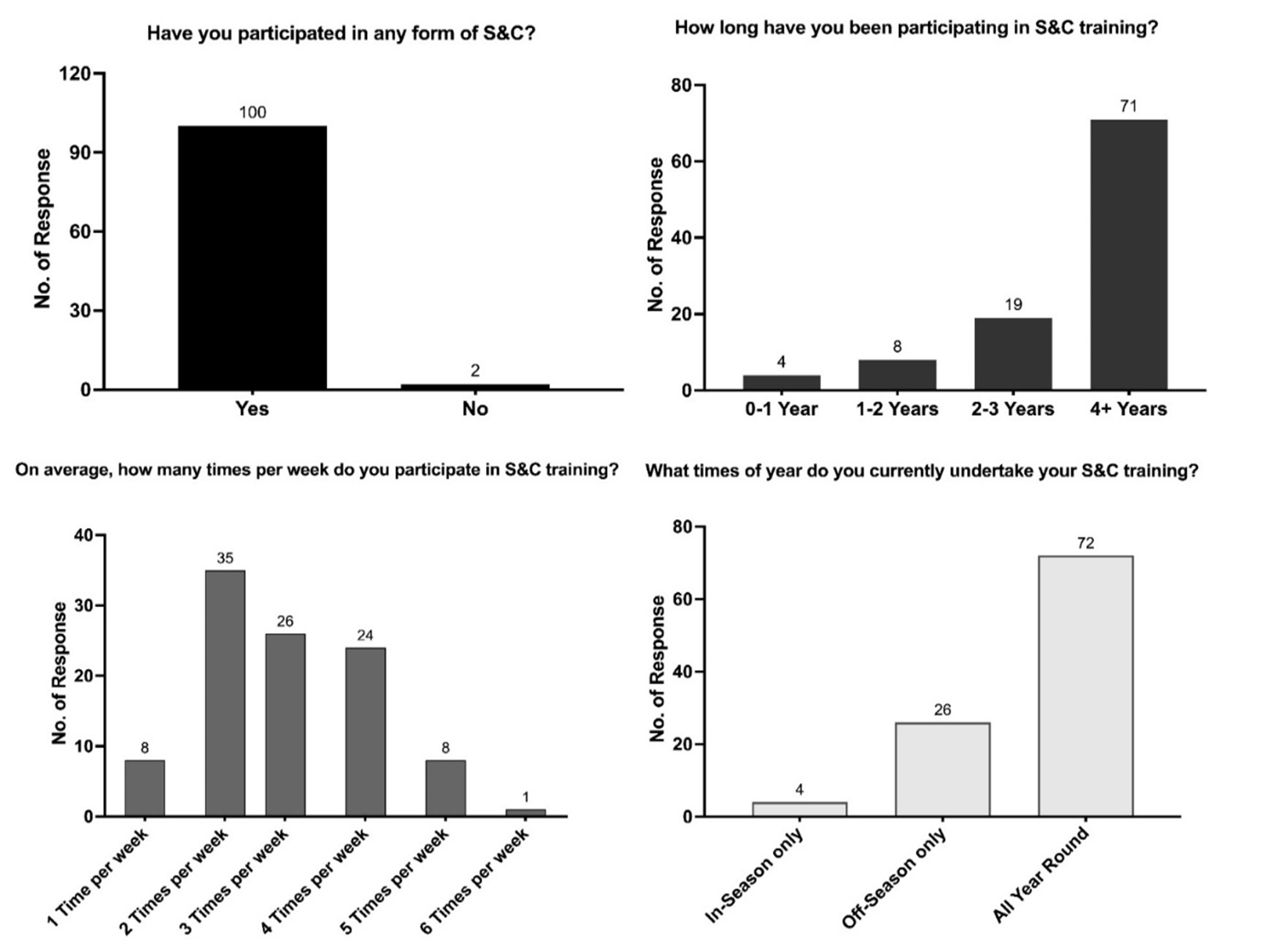
Figure 2: Likert scale questions on S&C and golf performance
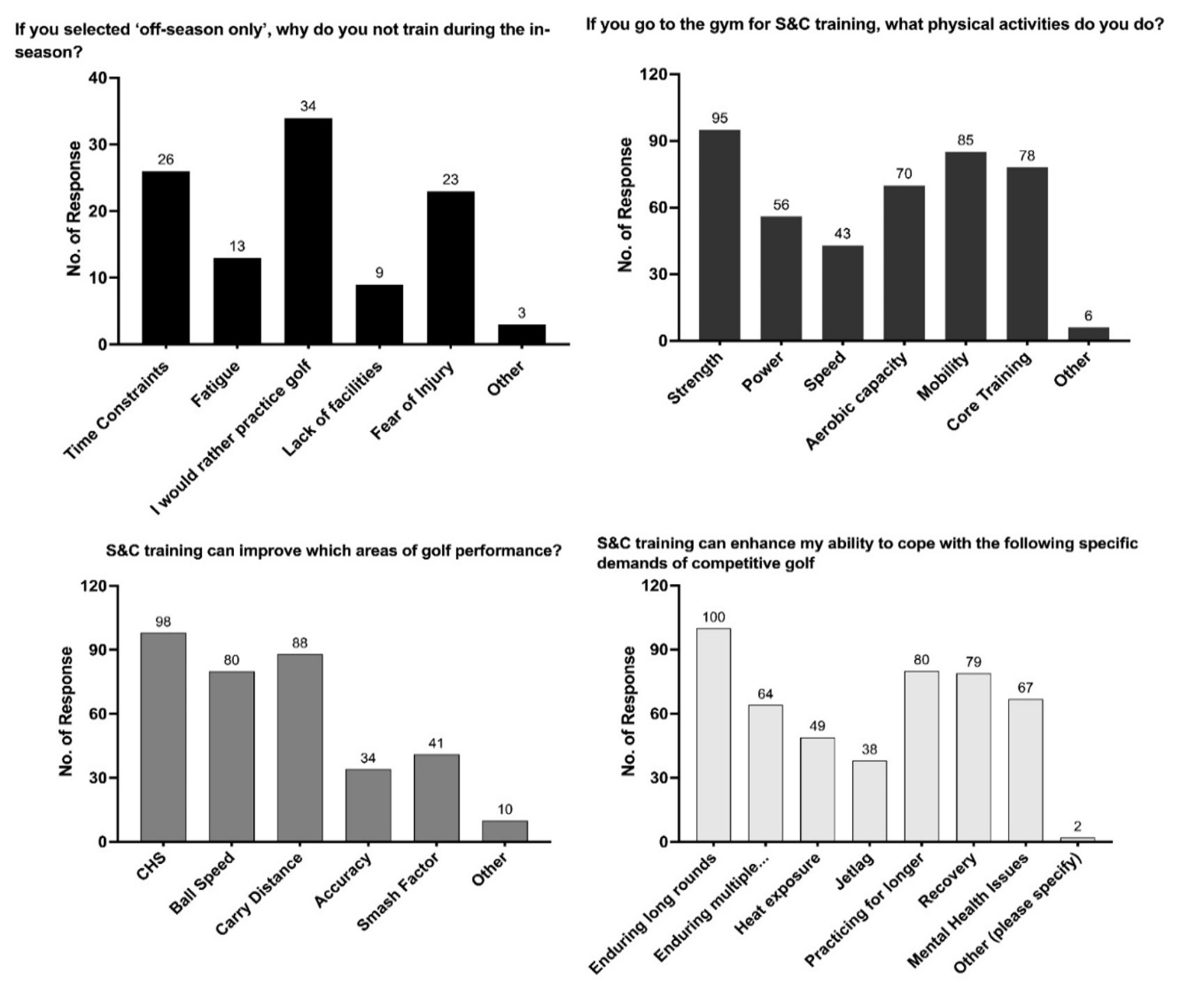
Presented in Figure 2, most respondents either ‘Strongly Agree’ (54%) or ‘Agree’ (40.2%) that S&C can enhance both longevity in the game and golf performance in general. However, the following question: ‘Performing S&C training prior to a competition round will harm my performance’ demonstrated an interesting answer set, with the majority answering ‘Neutral’ (49.6%), followed by ‘Disagree’ and ‘Strongly Disagree’ (37.6%), and ‘Agree’ (12.8%). There was an overarching agreement that strength in the upper body (94.1%, ‘Agree’ or ‘Strongly Agree’) and lower body (99%, ‘Agree’ or ‘Strongly Agree’) can improve golf performance.
Furthermore, it was widely agreed that ballistic power in the upper (97%, ‘Agree’ or ‘Strongly Agree’) and lower extremities (99%, ‘Agree’ or ‘Strongly Agree’) can benefit golf performance. From a flexibility and mobility standpoint, most respondents selected ‘Strongly Agree’ (60.8%), and ‘Agree’ (37.3%) that these physical characteristics were important for golf. Finally, 94 (92.2%) participants either strongly agreed or agreed that aerobic capacity can aid golf performance.
“PGA Professionals can empower players to improve their physical preparation, reduce the likelihood of injuries, and maximise physical performance”
- Luke Robinson
Figure 3: Knowledge and awareness of S&C practices
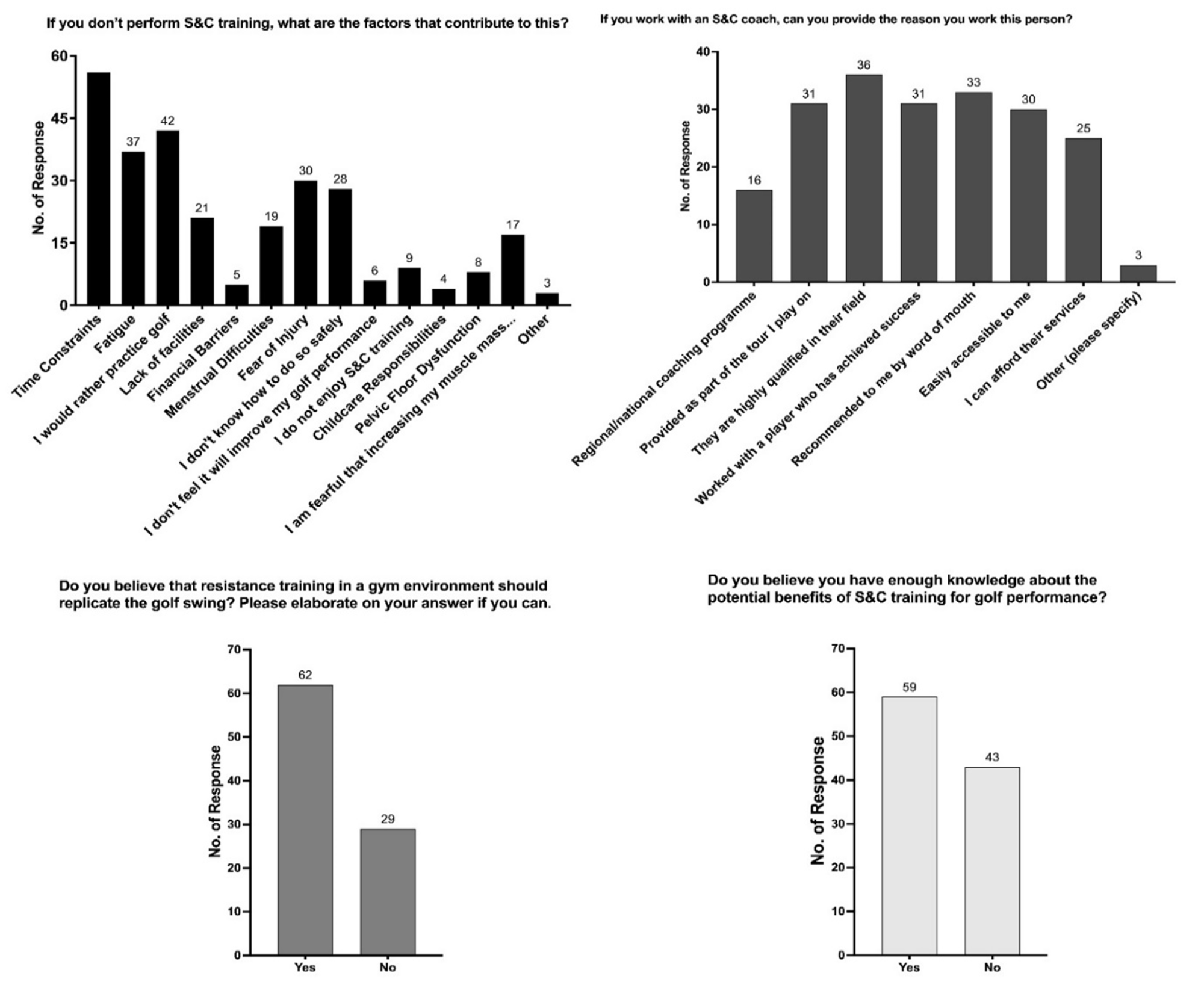
Figure 3 presents the results relating to knowledge and awareness of S&C practices for golf.
When questioned on what factors contribute to potentially not engaging in S&C training, common selected responses included ‘Time Constraints’ (19.6%), ‘I would rather practice golf’ (14.7%), and ‘Fatigue’ (13%).
Interestingly, ‘Fear of Injury’ (10.5%) and ‘I do not know how to do so safely’ (9.8%) had a similar response selection, with ‘Lack of Facilities’ (7.4%), ‘Menstrual Difficulties’ (6.7%), and ‘I am fearful that increasing muscle mass will impact my flexibility for golf’ (6%), receiving fewer, but notable responses regarding factors that contribute to not participating in S&C training.
Participants were asked ‘Do you believe you have enough knowledge about the potential benefits of S&C training for golf performance?’, which produced 59 (57.8%) ‘Yes’ and 43 (42.2%) ‘No’ answers.
Somewhat linked to this, players were then asked, ‘Do you believe that resistance training in a gym environment should replicate the golf swing?’, with the majority of participants selecting ‘Yes’ (60.8%), rather than ‘No’ (28.4%). Interestingly, of the 59 respondents who believed they had enough knowledge about S&C training, 34 of these respondents (representing 33% of the total respondent pool) stated that they believed the golf swing should be replicated in the gym environment.
This highlights that despite some professionals suggesting they have enough knowledge on S&C for golf, misconceptions are evident surrounding best practice. In addition, the remaining 11 responses (10.8%) resulted in players manually inputting text answers, that broadly revolved around not being sure.
The final question ‘If you work with an S&C coach, can you provide the reason you work this person?’, provided a consistent level of responses across all potential answers, which were ‘They are highly qualified in their field’ (17.6%) and ‘Recommended to me by word of mouth’ (16.1%) were the most common answers, with ‘Provided as part of the tour I play on’ and ‘They worked with a player who has achieved success’ receiving an equal number of responses (15.1%). ‘They are easily accessible to me’ (14.6%), ‘I can afford their services’ (12.2%) and ‘Provided through regional and national coaching’ (7.8%) also had fewer, but a notable level of responses.
Figure 4: Addressing barriers and misconceptions - replicating the golf swing in the gym environment
58% of respondents are of the opinion that resistance training in the gym should replicate the golf swing (with the remaining 42% disagreeing). This perhaps provides the strongest evidence of the need for S&C-based education in female golf.
With the golf swing being underpinned by force production, S&C training for golfers should focus on the development, production, and transfer of strength and ballistic force, in both the lower and upper body. With this in mind, exercises such as squats, deadlifts, presses and rows (for strength), and jumps and medicine ball throws (for ballistic strength), can potentially provide greater adaptation and development of these physical capacities, than exercises which mimic the golf swing.
Perhaps the only caveat to this, is the inclusion of golf-specific ‘speed training’ or maximum effort swing training, which likely provides both neural and coordinative adaptations, and should be integrated with S&C training, not as a replacement.
Broadly speaking though, fundamental strength and explosive strength development could be potentially viewed as the ‘lowest hanging fruit’ for physical preparation in golf.
"Despite recent research on physical performance science, the practices and perceptions of S&C in female professional golfers remain underexplored"
- Luke Robinson
The Benefits of Effectively Periodised S&C Training
Periodised S&C training of which is tailored to individual schedules and goals is a key component for maintaining physical attributes that directly impact performance. This is of particular importance to this population, as condensed playing schedules is commonplace for players on LET/LPGA Tours.
Research has demonstrated consistently that extended periods without training can diminish force production capabilities, adversely affecting CHS and ball speed. Conversely, consistent, well-structured training enhances performance metrics while reducing injury risks.
Addressing Barriers and Misconceptions – Fear of Injury
Educational initiatives are crucial to dispelling myths surrounding S&C. Interestingly, 21% of respondents felt ‘Fear of Injury’ was one of the reasons for not engaging in S&C training during the in-season.
However, research from Simon Brearly (2019) suggests that avoiding injury can be viewed as one of most likely impacts on golfer’s performance, who undertake consistent, structured physical training, owing to their increased availability for both practice and competition.
Therefore, if professional golfers are fearful of engaging in S&C during the in-season, it seems fair to suggest that they are missing out on some aspects of training which have the capacity to minimise the risk of injury.
It is suggested that there is some important education to offer female professional players, and indeed coaches, outlining the negligible risks of injury when working with appropriately experienced and qualified practitioners.
Implications for PGA Members
PGA Professionals can play a pivotal role in enhancing the performance and longevity of female golfers through effectively periodised S&C programmes. Emphasising the importance of year-round training tailored to individual needs, professionals can help players navigate condensed playing and travel schedules.
Misconceptions, such as the fear of injury during in-season training, can be addressed through education that highlights the benefits of structured programs in enhancing performance metrics, such as clubhead speed (CHS) and ball speed, while reducing injury risks.
Collaboration with multi-disciplinary teams, including coaches and medical staff, ensures holistic programming that integrates physical preparation with technical and tactical elements. PGA Professionals should also prioritise outreach and education, offering tailored resources like workshops or webinars to help female golfers and their coaches understand the negligible risks and substantial benefits of consistent, well-structured S&C training.
By fostering these practices, PGA Professionals can empower players to improve their physical preparation, reduce the likelihood of injuries, and maximise physical performance.

About Luke Robinson
- Contact Email – [email protected]
- Twitter Handle- @LukeRobinson70
- Instagram Handle- @LRSportScience
Throughout 2025, we have gathered contributions from many of the game’s pre-eminent figures in golf coaching. To see each article, click here.