
Recognised as one of Scotland’s elite coaches, PGA Advanced Fellow Coach David Torrance has always enhanced his popularity by building relationships with all the golfers he encounters.
Here, we asked Torrance to describe his techniques that other PGA Coaches can learn from, and the effort he makes to develop loyalty with customers.
Introduce yourself and make the effort
Every month, I take an hour where the members know I'm on the range. They can just roll up and hit some shots and I'll have a chat with them and give advice. That can lead into them coming for a programme after that.
That's a good way of engaging with people and getting their appetite going for coaching.
Aim for simplicity in your teaching
I make everything sound easy as best I can. That comes from years of experience. I always check on understanding. If I'm explaining anything, I always ask them afterwards to score me out of 10 on how well they've understood it. If I explain something to you, and you said seven out of 10, I'm interested in the missing three.
Understand that your relationship goes beyond the actual lessons
Encourage your pupils to send progress reports – and any questions. In between sessions, I make it feel as if you can get in touch with me if you've got any queries or send a swing video from the range. It makes them feel that you're interested in them in between sessions.
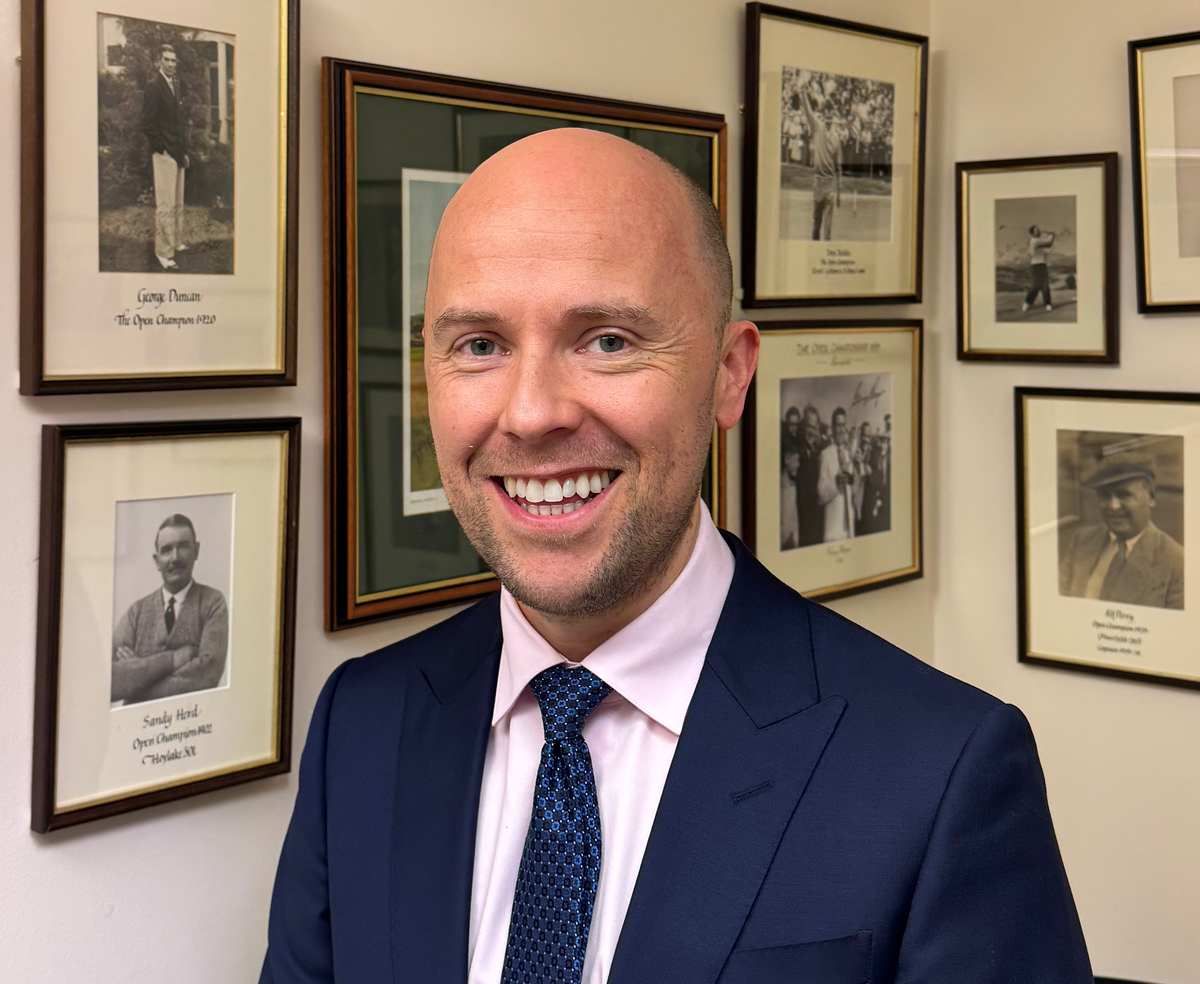
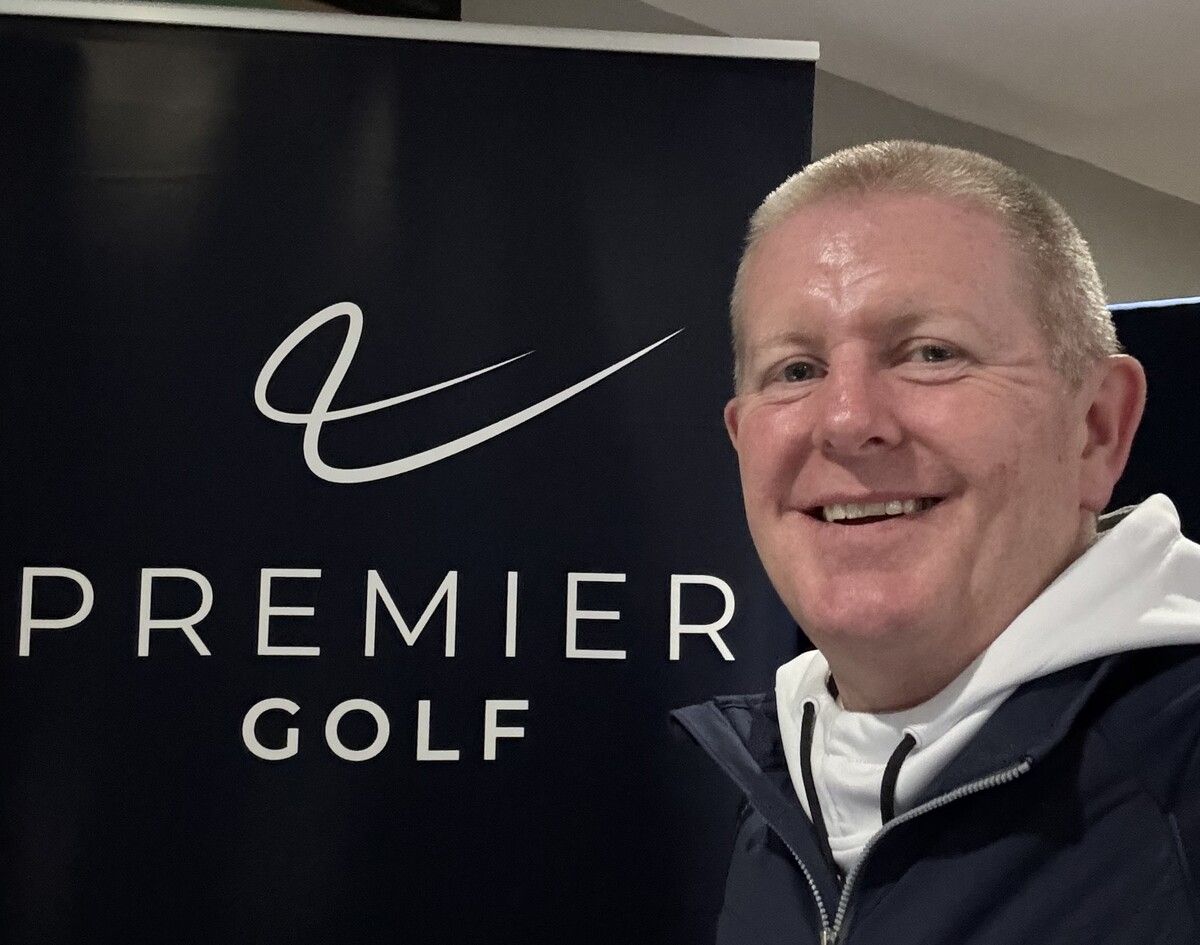
Pictured: PGA Advanced Fellow Coach David Torrance
Take a keen interest in your new members
With a new member, I know nothing about them. I've got a golf cart, and the practice ground is a little bit of a drive away, which I find quite handy. As soon as I get into the cart, I say ‘sorry about this but I'm going to hit you with a barrage of questions’ and I find out as much as I can by the time we get to the range. While you're doing that, they think this guy is genuinely interested in me.
I gather their golf and sporting backgrounds and their coaching backgrounds and tap into skills from other sports. If they were good at table tennis, I can use that, or badminton or football.
I just find out their general backgrounds, where they've been for coaching before, when they started golf, even what they do for a day job, because if they've got an engineering mind, you can tap into that practical hope. This is all relevant.
Integrate and teach golf across the spectrum
I get involved in club matches. I go out and play so I don't look like someone that's just turning up and coaching. I try to make them feel as if I'm a part of a club.
Adults love to see the game growing from the ground up. I love the eclectic mix of coaching all levels. I could leave the junior coaching to the young pro at the club, but I think that if young kids get the best coach early on, it just gives them a great grounding, rather than later in their golfing life.
I do a lot of junior coaching. One day, I'll have a young pro in front of me. The next session, it’s someone just taking it up for the first time. And then I've got a bunch of five-year-olds who are just taking the game up.
Value yourself – how loyalty impacts a golf club’s revenue
When I left Nairn my previous club, they lost around 80 members. They didn't appreciate that there was about 80 people there that had a dual membership and they joined the club because they were having their game managed by me. So when I left, they left too.
If you have 80 (lost memberships) worth £1000, it's a hell of a lot of money.
- Click here to access coaching resources on PGA Learn