


Andrew Terry is a PGA Member and Director at Link Golf UK, which works with golf clubs to make golf enjoyable, inclusive and affordable. Here, Andrew writes about the vast number of operational decisions and estimations that go into running a golf club.
If you’re reading this as a committee member, chairman, director, secretary or club manager, I’d first like to say something that perhaps doesn’t get said often enough: thank you.
Most golfers arrive, enjoy their round, have a drink afterwards and head home without ever seeing the hundreds of decisions that happen behind the scenes to keep a golf club functioning. They don’t see the committee meetings that run late into the evening, the difficult conversations around finances, the balancing act between investing in the course and keeping subscriptions affordable, or the challenge of trying to satisfy members with very different views on what the club should become.
In many cases these roles are voluntary. They’re undertaken by people who care deeply about their golf club and who are prepared to give up evenings, weekends and family time because they want to protect something that has often been at the heart of their community for generations.
That deserves recognition.
At the same time, I also believe many committee members are carrying a burden that previous generations never had to face.
Running a golf club today isn’t simply about maintaining a good golf course and balancing the books. Modern golf clubs are expected to operate like professional leisure businesses while still being governed by volunteer committees, democratic processes and long established traditions. That creates a unique set of challenges that few other industries experience.
Every significant decision can require consultation. Investment often needs approval. Ideas that may be commercially sensible can take months to implement because they must first navigate committee discussions, member feedback and formal voting processes. None of this happens because people don’t care. Quite the opposite. It happens because people care enormously about protecting the identity of their golf club.
The challenge is that the world outside the clubhouse is changing faster than ever:
Customers have higher expectations.
Operating costs continue to increase.
Energy bills, wages and supplier costs have all risen dramatically.
Members expect better facilities.
Visitors expect an online booking journey that feels effortless.
Younger golfers expect flexibility rather than rigid membership structures.
Technology continues to reshape almost every aspect of customer service.
Meanwhile, many clubs are still trying to operate with structures that were designed decades ago. That isn’t a criticism. It’s simply the reality that many clubs now face.
Seven years ago, Link Golf UK was founded after my own childhood golf course faced permanent closure.
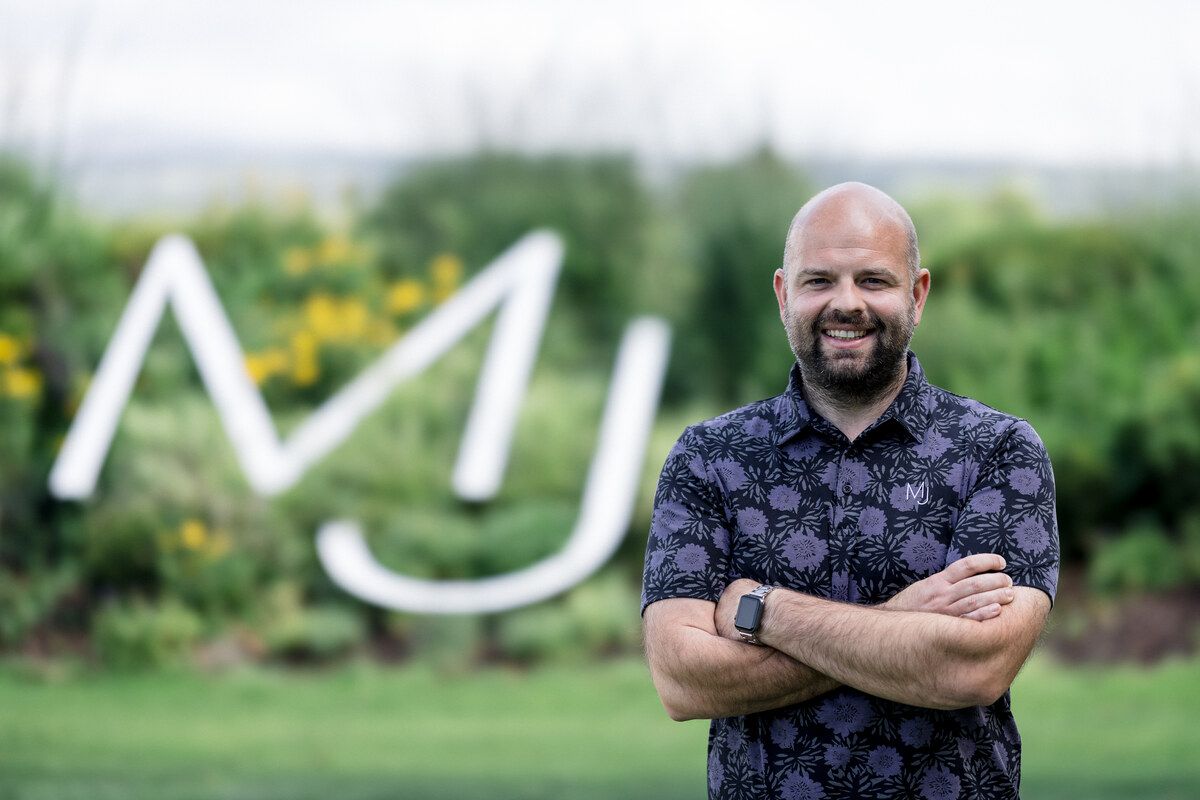
Pictured: Andrew Terry
Watching a golf club disappear wasn’t simply about losing somewhere to play. It meant losing a community, losing opportunities for young people and losing a place that had shaped so many lives. That experience had a profound impact on me and ultimately became the reason Link Golf UK exists today.
Since then we’ve had the privilege of operating and improving golf facilities across the UK. Every venue has been different. Every challenge has been different. But one thing has remained remarkably consistent. The problems facing golf clubs are often far more similar than many people realise.
Over the last seven years, we’ve focused relentlessly on building sustainable golf businesses. That has meant looking at every aspect of operations and asking difficult questions:
How can we reduce operating costs without reducing standards?
How can we increase customer spend while improving the overall experience?
How can we invest in facilities that genuinely generate a return?
How can technology remove unnecessary administration?
How can greenkeeping teams work more efficiently while continuing to improve course presentation and playability?
How can food and beverage become a valuable part of the customer experience rather than simply a department that struggles to break even?
How can driving ranges, coaching, retail, events and community programmes support the long term sustainability of a golf facility?
None of these questions have simple answers. We certainly haven’t got everything right. We’ve made mistakes along the way and learned from every one of them.
But over time those lessons have become a blueprint that has helped us build a business capable of continuing to invest in golf rather than simply maintaining the status quo.
One of the biggest lessons we’ve learned is that golf clubs are often far more capable of improving than they realise.
Sometimes the opportunity isn’t about spending millions of pounds.
Sometimes it’s about redesigning processes.
Sometimes it’s about changing the customer journey.
Sometimes it’s about measuring the right things.
Sometimes it’s about creating entirely new revenue streams.
Sometimes it’s simply about looking at the business through a different lens.
Perhaps the biggest difference between operating multiple golf facilities and running a single club is perspective.
When you operate several venues, you quickly begin to see patterns.
You discover ideas that consistently work.
You discover others that consistently fail.
"Watching a golf club disappear wasn’t simply about losing somewhere to play. It meant losing a community, losing opportunities for young people and losing a place that had shaped so many lives. That experience had a profound impact on me and ultimately became the reason Link Golf UK exists today" - Andrew Terry
You can compare staffing structures, pricing strategies, customer behaviour, machinery utilisation, maintenance programmes, food and beverage performance, retail, coaching and participation across multiple sites. That experience becomes incredibly valuable because every improvement made at one venue can often be adapted somewhere else.
As we’ve continued to grow, I’ve realised something that sits at the heart of why I’m writing this article.
There is very little value in keeping those lessons to ourselves.
Golf benefits when knowledge is shared.
If one club discovers a better way of doing something, the entire industry should benefit.
That’s why Link Golf UK is launching our Complimentary Club Futures Review.
If you’re involved in running a private members’ golf club, we’d simply like to meet you and have an honest conversation about your club.
We’ll happily share the ideas, systems, operational improvements and commercial lessons we’ve learned over the last seven years.
We’ll talk about
- Participation.
- Membership.
- Visitor golf.
- Revenue opportunities.
- Food and beverage.
- Driving ranges.
- Machinery planning.
- Course presentation.
- Technology.
- Customer experience.
- Capital investment.
- Long term sustainability.
And just as importantly, we’ll listen.
Every golf club has its own history, culture and ambitions. We have no intention of telling clubs what they should become. We simply want to share ideas that may help committees make more informed decisions about the future.
There is no charge.
There is no obligation.
There is no expectation that your club will ever work with Link Golf UK.
The objective is much simpler than that.
If one committee leaves with a practical idea that helps strengthen its club…
If one board identifies a new source of revenue…
If one golf club finds the confidence to invest in its future…
If one community keeps its golf club open for another generation…
Then we’ve achieved exactly what we set out to do.
Golf has given me an incredible career, lifelong friendships and opportunities that I could never have imagined when I first picked up a club as a child.
This is simply our way of giving something back.
Because I still believe, just as strongly today as I did seven years ago, that no golf club should close unnecessarily.
If you’re involved in running a golf club and would like an open, honest conversation about its future, I’d genuinely love to meet you.
-
Click here to find Management resources on PGA Learn