
Appointing a New PGA Professional – clubs arrive at this point for different reasons. Some may be considering a change to their operating model, while others may be looking to replace a self-employed PGA Professional following many years in the role. For some clubs, the process is prompted by a resignation or retirement, creating an opportunity to reassess the role and the model before making a new appointment.
Joe Kelly, PGA Head of Member Support, works with facilities throughout the process - from the initial conversation and consideration of the operating model through to the appointment and the new Professional’s first months in post.
This guide addresses the key question clubs ask: how do we get the recruitment and subsequent appointment of a PGA Professional right?
However, before embarking on the recruitment process, a club needs to have determined how they intend to deliver golf operations.
Kelly set out the main delivery models in an earlier piece, Which Operating Model Is Right For Your Business? Most clubs in the UK and Ireland utilise the Traditional Retained Model, whereby a self-employed PGA Professional delivers services in exchange for access to assets such as retail space and teaching facilities. Resorts and proprietary venues often adopt a Hybrid Model, taking responsibility for stock, staffing and the associated profit and loss, while continuing to use self-employed Coaches. A limited number of venues deliver all services through a fully Employed Model.
Each model can be effective when applied appropriately to the right business environment and supported by a clear understanding of the financial, operational and commercial consequences. The choice of operating model should be driven by the needs and strategy of the business - not by anecdotal opinion of what another club has done.
“I’ve seen clubs switch models because a neighbouring club did, only to regret that decision once the reality of running it caught up with them,” said Kelly. “Any change in operating model should be tested against your own numbers and strategy, not someone else’s. It’s something that can be modelled on paper before pulling the trigger on change.”
Get the operating model right, and the recruitment process becomes clearer. It defines the role, responsibilities, commercial opportunity and type of Professional the club needs, creating a stronger foundation for a successful appointment.
Is replacing an existing contractor the right solution and can you simply terminate?
Before ending an existing contractual arrangement, facilities should ask whether appointing a new PGA Professional is the only solution and whether it will achieve the outcome they want.
A PGA Professional who has served a facility well for many years but is no longer perceived to be meeting expectations deserves a closer look at why, before facilities consider any change. Open dialogue and careful analysis helps identify the underlying factors.
These factors may include changing business priorities, evolving customer expectations, investment levels, the quality of facilities, available resources, communication, or opportunities for professional development. Identifying the root cause matters: replace the Professional without addressing it, and their successor may face the same challenges and deliver similar outcomes.
Golf operations, a club's strategic priorities and member expectations change over time. A model that worked once may need adaptation rather than replacement. In some cases, agreeing a revised vision, resetting objectives, clarifying responsibilities and providing the right support can reinvigorate both the Professional and the golf operation.
Whilst change is sometimes necessary, clubs should not underestimate the value of established relationships and institutional knowledge. A collaborative review undertaken in good faith may show that a renewed partnership, backed by a clear plan for future success, serves the club better than a new appointment. Even where a review concludes that change is required, it demonstrates fairness, good governance and compassion towards a Professional who may have dedicated many years of service to the facility.
Before terminating an existing contractual agreement, the club should check whether the existing PGA Professional is in fact a contractor that can be simply terminated under the terms of the contract in place
Kelly states, “The relationship between clubs and long serving PGA Professionals has often evolved and morphed into a relationship that could be determined as more than service provision.
“Dusty contracts that have sat in a drawer for years may state the Professional is a self-employed contractor that can be terminated with minimal notice, however any controls subjected by the club over the professional in reality - may determine the relationship to be more than customer contractor and I would encourage any club looking to terminate a contract to seek legal advice regarding any possible employment status challenge."
Managing the transition
A new appointment under a Contract for Service often cannot begin until the club has managed the transition away from the existing contractor.
That departure is often more complex than ending a contract. Clubs need to work through contractual obligations, notice periods, business continuity, equipment, customer relationships, member accounts and, where relevant, employment legislation such as the Transfer of Undertakings (Protection of Employment) Regulations (TUPE). TUPE is a complex area of law and facilities should get legal or HR advice before making any changes.
The process, however, runs beyond the legal and commercial. Clubs should also recognise that the departure of a long-serving PGA Professional carries real emotional weight, for the Professional and for the club. Many Professionals devote decades of service to a facility, investing considerable personal commitment and often, family sacrifice, and build trusted relationships with members along the way.
Ending or changing this kind of relationship evokes strong emotions, and rightly so. Members often develop deep loyalty to their PGA Professional, having been coached, supported and served over many years. That loyalty reflects the Professional's contribution, but it can also make life hard for whoever has to end the contract.
Members who feel a decision was made without good reason, consultation or care react fast, and positions harden. Get this wrong, and a club can face a divided membership, organised campaigns, Extraordinary General Meetings, votes of no confidence, or reputational damage that outlasts the original decision. None of this serves the club or the Professional.
For these reasons, clubs should plan transitions with care, keep communication open, and show real compassion. Clubs need to manage the contractual process well and recognise the departing Professional's contribution. Clubs that treat people with dignity, acknowledge their service, and talk straight with members preserve relationships, keep confidence in the club's leadership, and lay the groundwork for a strong transition.
Defining the Opportunity
When a role becomes available, the club needs to define the opportunity clearly and in specific terms.
For an employed position, this means setting out the remuneration package, responsibilities, reporting lines and opportunities for development.
For a Hybrid Model, the club should set out the employed element of the role, including remuneration, responsibilities, reporting lines and development opportunities - alongside a clear description of the self-employed coaching opportunity.
For a self-employed contractual appointment, the focus shifts to the services required and the strength of the overall business proposition. Candidates need enough information to properly assess the opportunity, including:
- Services required – the specific services the club expects the Professional to deliver.
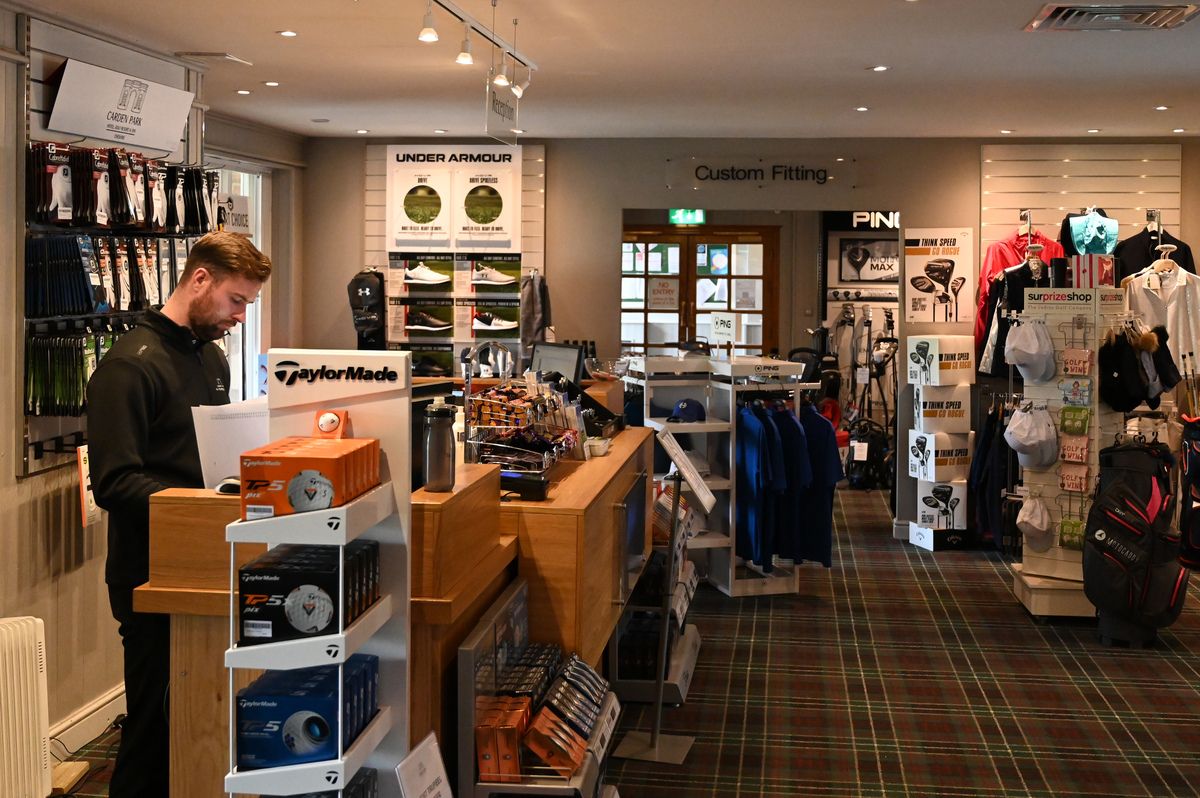
- Income-generating opportunities – the revenue streams available to the Professional, including retail, coaching, custom fitting and other activities.
- Demographic – membership numbers, categories, competition entries.
- Commercial freedom – the degree of autonomy the role provides to develop and grow a business.
- Exclusivity – any exclusive rights or restrictions relating to coaching, retail, custom fitting, branding or other commercial activities.
- Facilities and resources – the space, equipment, facilities and other resources provided by the club.
- Club-derived income – any retainer, commission, competition winnings, service charge or other income paid by the club to the Professional.
The clearer the proposition, the stronger the applicant pool. Transparency attracts PGA Professionals with the commercial acumen and leadership capability to build a golf operations team that delivers value for the club and its members over the long term.
The objective is simple: give candidates enough clarity to understand both the opportunity and the obligations before they commit to applying, regardless of the operating model.
Reaching the Right Audience
Once the club has defined the role, choosing the right recruitment channel becomes critical.
Facilities can advertise a vacancy through many platforms, yet clubs often overlook the one built for the exact audience they want to reach: The PGA recruitment platform, PGA Jobs. Every PGA Member has access to it, which gives facilities direct exposure to PGA Professionals at local, national and international level. The PGA promotes opportunities through the platform and backs that with targeted communications and notifications.
Support from The PGA extends past the advert itself. The Member Support Team works with facilities to refine role profiles, advise on employment and contractor models, discuss remuneration, and help draft advertisements that describe the role and the opportunity.
Recruitment is about more than filling a vacancy. Done well, it creates an opportunity that attracts talented Professionals, helps them build a sustainable career, and positions the facility to deliver a strong customer experience and long-term commercial success.
Get in Touch
The PGA offers independent guidance on the advantages and considerations of each operating model, free of charge to facilities and PGA Members alike. Contact the team at [email protected], and make sure your next recruitment decision rests on informed planning, not tradition or assumption.