


Andrew Terry is a PGA Member and Director at Link Golf UK, which works with golf clubs to make golf enjoyable, inclusive and affordable. Here, Andrew writes about price sensitivity at golf clubs and how to deliver value and sustainability to members and visitors.
Golf has rarely been more visible or more popular. Participation levels have risen, driving ranges are busy and interest in the game appears strong.
Yet a fundamental question sits beneath that apparent success: if golf is thriving, why are so many golfers questioning the value of membership?
That contradiction lies at the heart of one of the modern game’s most pressing challenges: price sensitivity.
How golfers perceive value, what they are willing or able to pay and how clubs respond in a way that remains sustainable are increasingly shaping participation across the sport.
Here are four strategies that club professionals can implement to maximise value for members and visitors, and increase sustainability at their golf clubs:
1. Turn beginner coaching into a pathway, not a one-off
Entry-level coaching should be structured as a clear progression rather than isolated lessons. Starter programmes should combine coaching, practice access and supported on-course experiences with a defined next step at the end such, as inclusion in a beginner league, points pass or informal playing group. This builds confidence, habit and a sense of belonging without requiring an immediate full membership commitment.
2. Create informal, time-efficient opportunities
PGA Professionals are well placed to design formats that fit around busy lives. Short loops, nine-hole competitions, roll ups, evening leagues and coached play sessions can make golf more accessible without lowering standards. Interactive driving range competitions, coached range sessions and indoor golf simulator leagues provide additional time efficient ways to engage golfers who may not have the time or confidence for traditional on course play. Together these formats help retain golfers who struggle to justify four-hour rounds, while keeping them engaged and spending within the facility.
3. Make junior and family participation visible and normal
Junior coaching and family friendly initiatives should be prominent, regular and easy to access. Free or low-cost junior sessions, relaxed dress codes for beginners and designated family playing windows all help reduce barriers. Crucially these initiatives should feel integrated into the club’s core activity, reinforcing the idea that junior and family golfers are not future customers but current participants who underpin long term sustainability.
4. Communicate value year-round, not just in peak season
PGA Professionals as the most visible ambassadors of the facility are well placed to lead conversations around value. Proactively explain what golfers are paying for beyond summer play, including winter course work, investment in drainage and greens, coaching availability and facility improvements. Clear communication helps golfers understand that value is delivered across twelve months, even if their own playing patterns are seasonal.
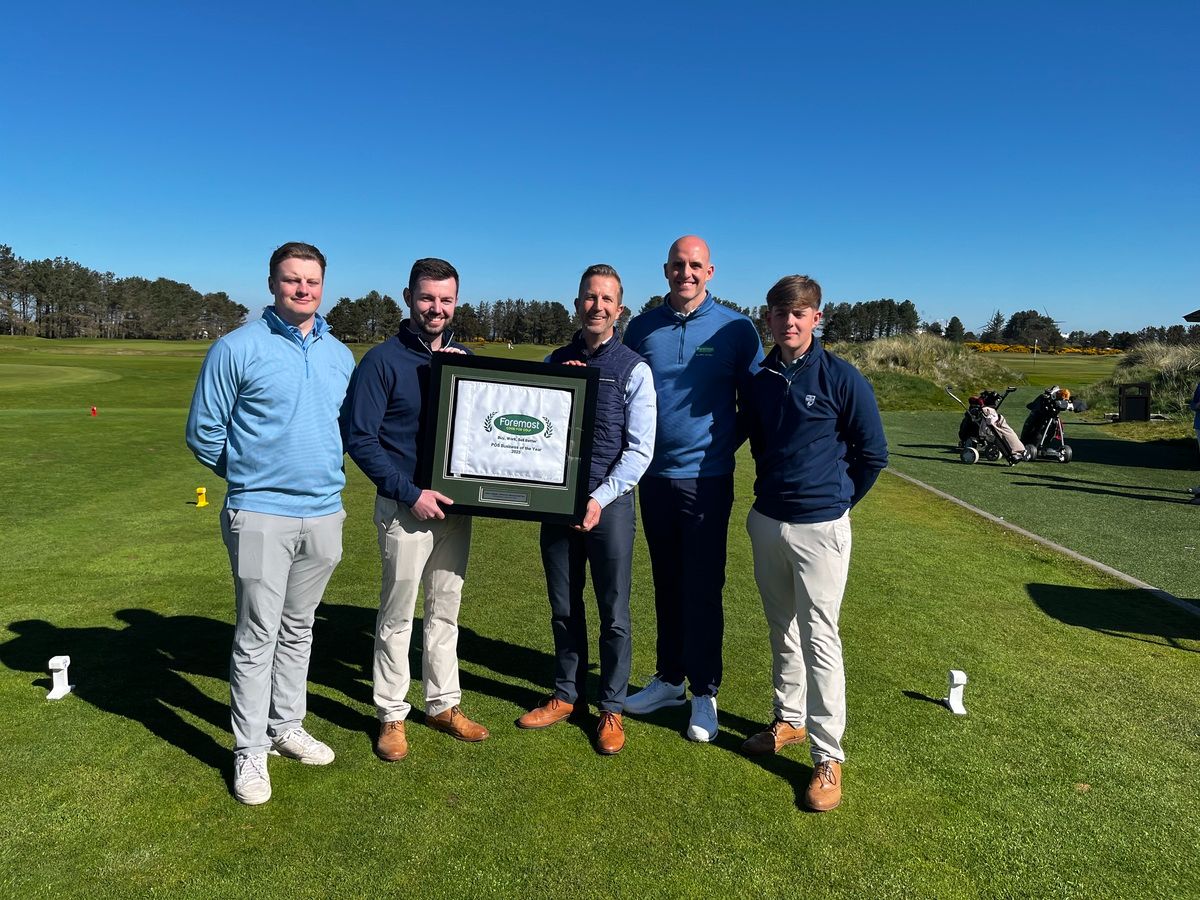
Pictured: PGA Member and Director at Link Golf UK Andrew Terry
In today’s leisure market, golf is no longer competing solely with other golf clubs. It is competing with gyms, fitness studios, padel courts and recreational activities that offer flexibility, simplicity and low commitment. As a result, golfers particularly newer, younger or time pressured players are increasingly asking not just whether golf fits their budget, but whether it fits their lifestyle.
Today, many golfers still value membership, but increasingly view it through a lens of utility rather than tradition. Long term commitments, full playing rights regardless of usage and limited flexibility can feel out of step with modern schedules. As a result, some golfers are gravitating towards pay-and-play access, hybrid models or alternative forms of engagement that better reflect how often and when they actually play.
This change in behaviour has created a growing tension between customer expectations and operational reality. The cost of running a golf facility is fundamentally a 12-month commitment. Staffing, course maintenance, machinery, utilities, compliance and infrastructure investment continue year round, regardless of seasonal demand or weather conditions. Greens still require attention through winter, drainage projects continue and skilled teams must be retained.
By contrast, golfer behaviour is becoming increasingly seasonal and value driven. There is a clear trend towards “summer-style” access with players seeking to maximise rounds during peak months while minimising financial commitment through winter.
This is an understandable response to wider cost of living pressures but it creates a structural imbalance for clubs whose costs do not reduce in line with seasonal participation. Left unaddressed, that imbalance places pressure on margins, reinvestment and long-term quality.
Ultimately, sustainable pricing in golf requires a long-term view. Affordability and quality are not opposing forces. The clubs that succeed will be those that recognise price sensitivity not as a temporary phase but as a permanent feature of a changing market and respond in a way that keeps the game relevant, welcoming and sustainable for the future.
-
Click here to find Management resources on PGA Learn