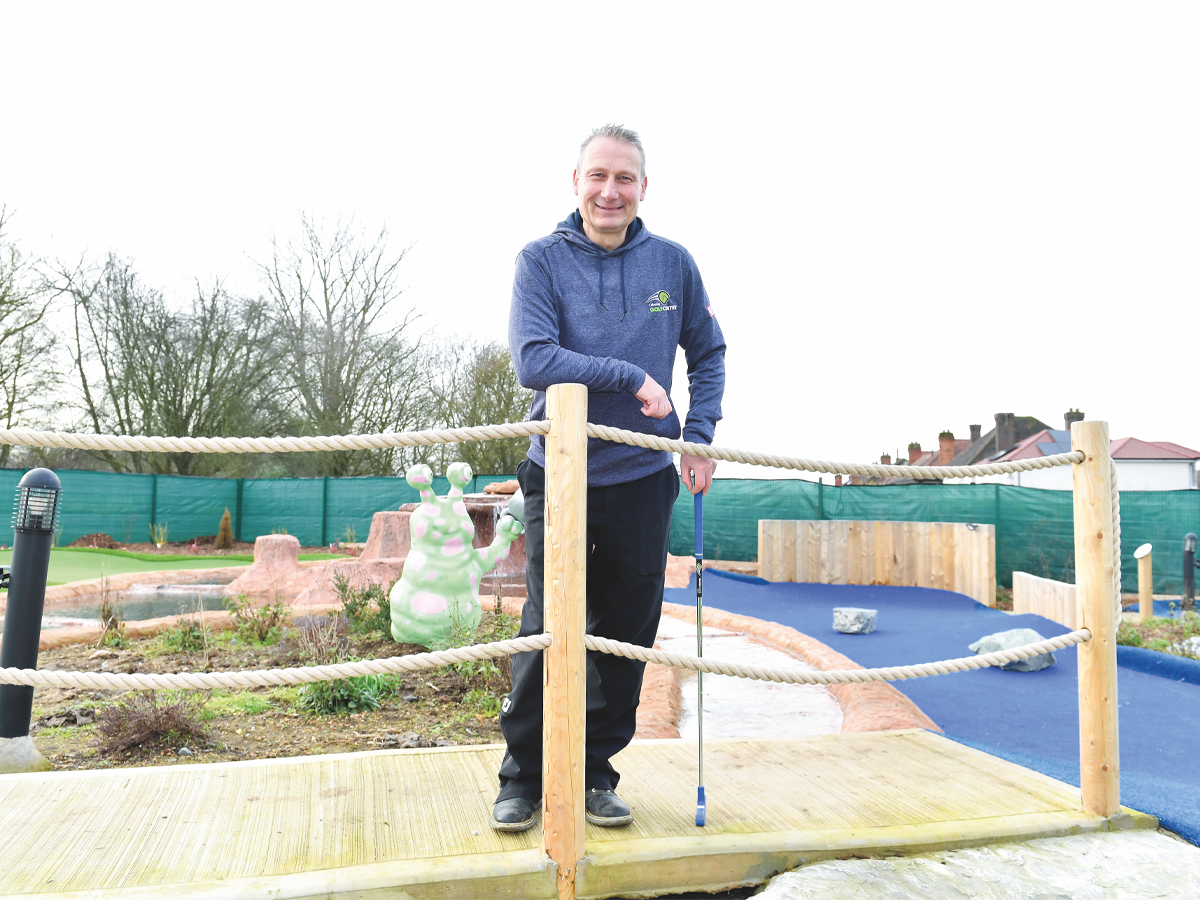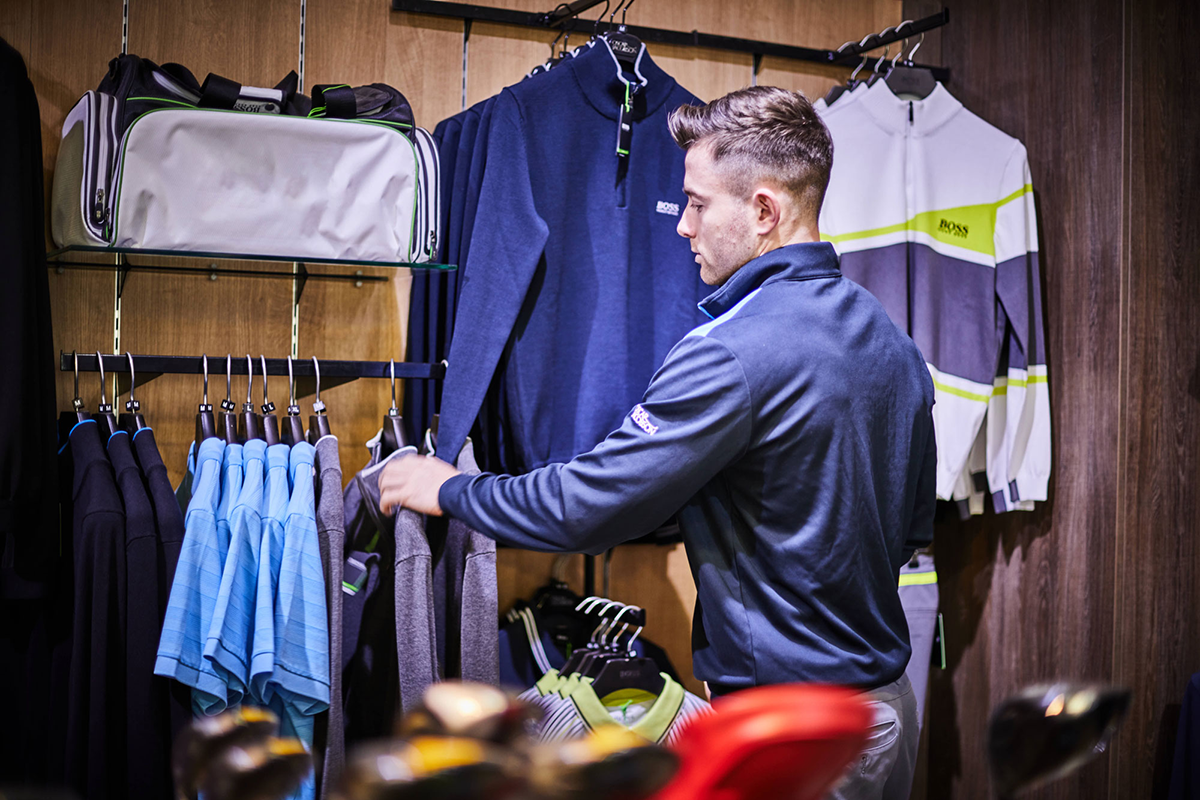



Lee Brotherhood is the Head Professional at Olton GC in the Midlands. He has over 20 years of experience and is a qualified Director of Golf.
Here, the PGA Advanced Professional offers some candid advice on what golfers really want to see when they walk into a pro shop – focussing on the need to make an immediate impact.

When we say the first 30 seconds in the shop matter most, what specifically are golfers subconsciously judging as they walk in?
Both the staff and the overall standards – which I reiterate to my staff regularly. Customers must receive a warm welcome and be presented with a shop with high standards that encourages browsing and engagement. Merchandising is a key component with product flow, neat folding and hanger spacing important visually.
What are the most common layout mistakes you see in pro shops?
The simple answer would be the opposite of everything I have just mentioned. Clutter, no clear flow or categories, not being able to find the right size. When a customer walks in, they should be able to clearly see the product or products that they desire, what options there are and the cost.
You talk about clarity over clutter. Why does simplifying displays often increase revenue rather than reduce choice?
If you think about high-street stores that merchandise effectively, it is largely minimal and clear. The number of products for a relatively large space can be quite low. But it's the skill of merchandising that fills the store, encourages browsing and makes it easier to shop.
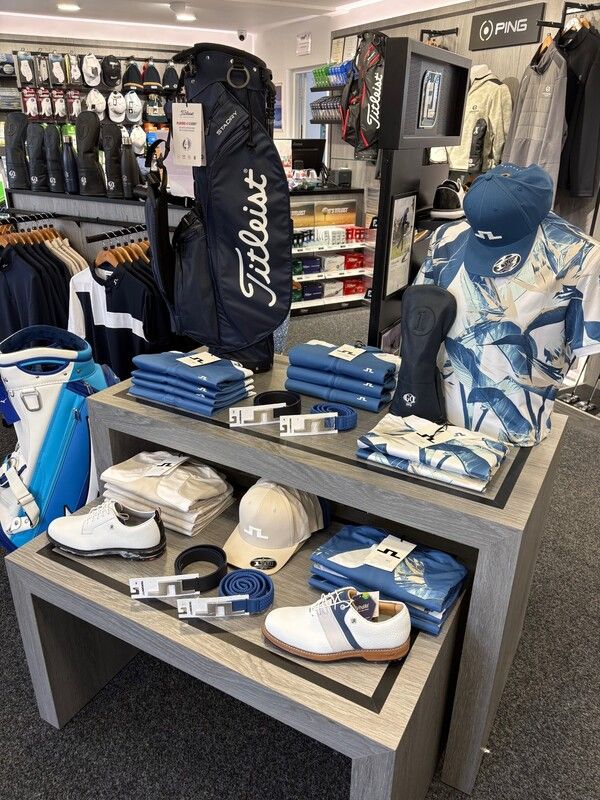
Pictured: The pro shop at Olton GC
How should a PGA Pro balance being a coach and being a retailer without damaging trust?
The goal is to be more of an advisor to the players that you coach and make recommendations. At the end of the day, you only get one chance with most people, the right recommendations always reap rewards in the long run with customers for life.
What do golfers expect to see from a club professional’s shop that they cannot get online?
It is the in-person service and advice from a qualified PGA Professional. We don't match any free or discounted 'extras' that some of the online retailers can offer. We believe the experience and added value that you get from us before, during and after carries much more value than a free glove or brolly holder.
Why do certain product categories deserve prime positioning and how should Pros decide what takes that space?
I use data to back up most of my decision making in the shop. It's no different with the positioning of products. If a category is turning slowly and it needs help, then use a hot spot such as a well-performing wall or a nest of tables at the entrance. Keeping a regular eye on your stock turn is key.
How important is pricing transparency in today’s market and what happens when it is missing?
It's important for several reasons. Firstly, for ease of browsing and decision making. But also trust. There's nothing worse than asking how much something costs and then being taken through a series of questions by a salesperson before getting an answer. Asking questions can be beneficial of course but at the right time and after you have given a clear and confident answer. Display clearly, price clearly and have options. If your answer is too expensive, then the questions can start and you can talk about options that meet their needs.
“Display clearly, price clearly and have options. If your answer is too expensive, then the questions can start and you can talk about options that meet their needs” - Lee Brotherhood
What small visual changes typically deliver the quickest uplift in sales?
I like displays to 'pop' and have relevance to the season or upcoming events. For example, my nest of tables at the shop entrance is merchandised with all things green as we are heading to the Masters. Other small but effective details could be adding size cubes to hangers, pricing sets or features and benefits tags.
Why is storytelling around products more powerful than simply displaying them and how can Pros do this effectively?
Creating a story gives the customer an idea of how products would work or be used in real life or what other products could be used alongside them. I reference-high street merchandising and displays a lot because the best ones understand psychology and emotion and how we use that to make decisions.
If a PGA Pro only had 30 minutes to improve their shop tomorrow morning, what three changes would you prioritise and why?
Clean, de-clutter (even if that means excess or duplicates to a storeroom) and get everything priced up.