

BNG is a huge opportunity for golf clubs across the UK and could provide the much-needed capital for maintenance, improvement and development of golf clubs, explains sustainability expert Stephen Cirell
Whether it is adding solar panels to your roof, changing to an electric vehicle or flying less, we cannot continue to avoid the consequences of global warming, Cirell told us.
It was – and is – my view that golf clubs could play a leading role in this transition. This is because collectively they control and manage a huge amount of land.
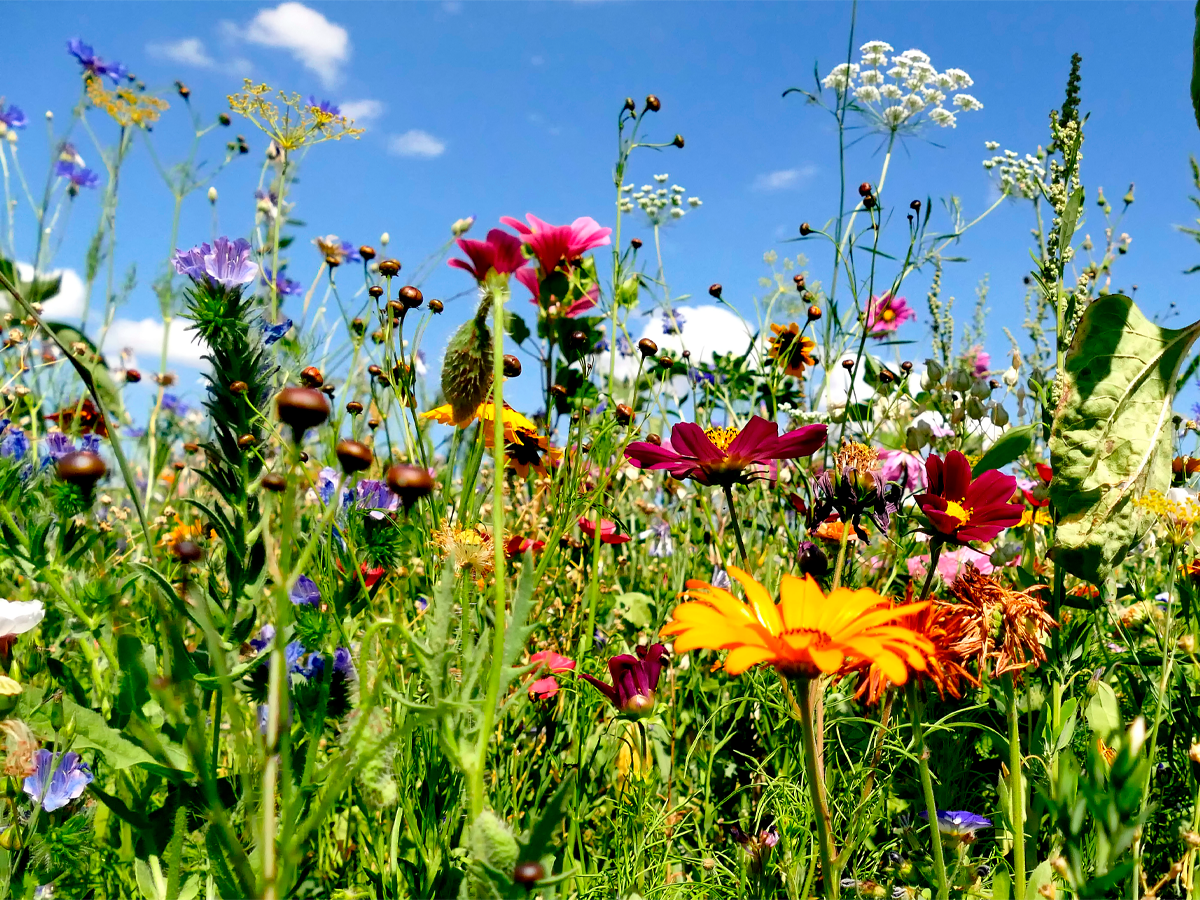
A good sustainability approach will mean that they are reducing the energy used, improving energy efficiency and introducing renewable energy. They would be slashing emissions by moving equipment over to electric, by focussing on the biodiversity of their land (trees, hedgerows, animals, nature) and seeking to manage water use effectively.
This is a grand vision but it is recognised that to work it needs to be resourced – and there might be the rub.
The solution to the problem is Biodiversity Net Gain (BNG).
So what is BNG? It is the government’s response to signing up to international treaties alongside other nations to deliver a better future for nature – a halt in species decline along with the protection of natural land and sea and to curb pollution. The Environment Act 2021 provided the powers and the measures have been included in the Town & Country Planning rules.
The process which underpins these new rules is complex and burdensome. It involves a baseline survey of the current biodiversity level, the development of an enhancement plan and an extensive regulatory process whereby the units are certified and registered – but the majority of this work can be completed before the actual works need to take place.
A variety of skills are necessary for this process, not least the ecologists who will survey the sites and confirm both the baseline level and possible gains.
This means that the relevance of this piece starts to come into focus. What if golf clubs could provide the land required to enhance biodiversity and then sell the units to the builders and developers who need them to gain planning consent on their new developments?
Why golf clubs should consider BNG
1. Golf clubs have land
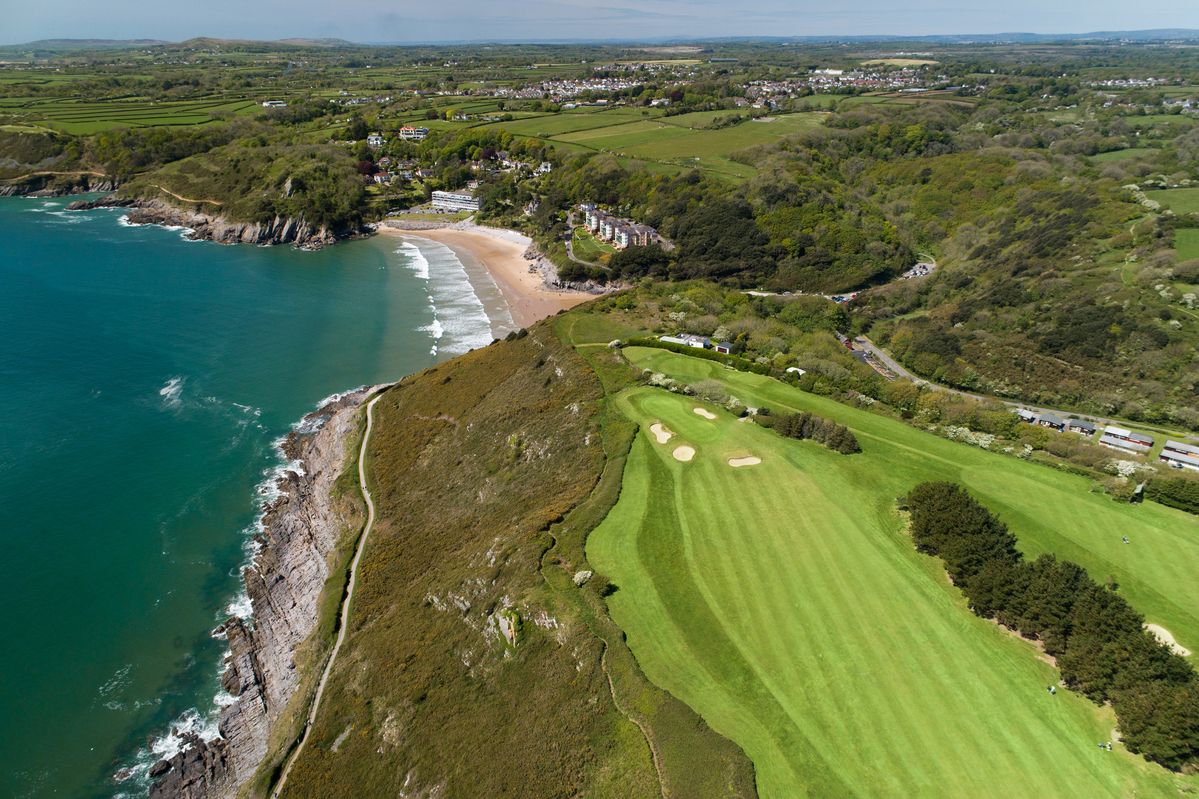
Golf clubs own and occupy large tracts of land. A decent-sized 18-hole course is usually well over 100 acres.
The land is already covered in biodiversity but, crucially, is not all in good condition. It is a trend in golf clubs for the maintenance money to be spent on the playing surfaces (greens, fairways and tees) not the surrounding trees or rough grassland areas. It is actually an advantage that the poorer the condition of these areas, the greater the gain possible from enhancement.
2. It doesn’t affect the principal purpose
Equally important is the fact that a BNG project does not affect the principal purpose of the land in any way i.e., the playing of golf.
This is because nothing happens to the greens, fairways or tees; all the action is in the surrounding areas, such as trees, hedges, ditches and so on.
3. The 30-year tie-up is not problematic
For many large landowners who have looked at BNG opportunities, the fact that the enhanced biodiversity on the land has to be maintained for 30 years is a disadvantage. This is because that owner may want to sell or develop that land at some stage in the future.
However, many golf courses have been in play for generations and that is not going to change. Many are protected by covenants in their title deeds which prevent the land being sold for development. In most cases, the chances are this will still be a golf club in 30 years’ time.
4. It helps with financials
This point needs no explanation. The average golf club is struggling financially so any source of additional income will be welcome. What most clubs don’t know is that the values of BNG are often measured in millions of pounds, rather than thousands.
5. The horticultural maintenance capacity is in place
Golf clubs employ their own horticultural personnel, in the form of the greenkeeping staff. If a contract for 30 years’ maintenance is tendered out, the costs will be extensive. A golf club could take on one new member of staff and then the work is all undertaken in house. This will save a huge amount of money that would otherwise be lost from the original deal.
6. Member and public support
Most golf clubs in the UK are member clubs and have a variety of different governance arrangements in place. Usually this might mean some form of committee of members who decide strategy and undertake projects. In this instance it is likely that the wider membership of the club will be in strong support of such a project, particularly if it delivers the desired new clubhouse, the extension, the new practice area or just getting their head above water, financially speaking, for the first time in a while.
What are the next steps for a golf club that is interested?
It starts with commissioning the ecologists to survey the land and prepare a baseline report. Then the possible enhancements come under discussion and the regulatory process commences. But before that a golf club needs the following: strong leadership that is committed to the concept, a clear plan, wide member support from across the club, a good understanding of what is involved and the ability to contract with whoever will help it deliver the project.
On the latter point, there are different ways of doing this. It is possible for a golf club to plan and execute a project entirely in house. But BNG is not for the uninitiated and the process is complex. Consultancy help is available for guidance for those clubs willing to put in the hard yards of the work involved.
Finally, and probably more likely, there are organisations that will offer a golf club a ‘turnkey’ solution (either with or without the acceptance of risk) that does it all for them, for a fee.
Conclusions
I have been working on BNG for some time across different areas, including golf clubs. In Yorkshire, where I am based, there are two large golf clubs that have already had their BNG valued at over £5m. That money is paid up front when the deal is done and the enhancement works are completed.
This is undoubtedly a huge opportunity for golf clubs, for the reasons stated above. However, most have never even heard of BNG and so are unaware of the potential. Once the message gets round and the early dismissals of ‘this is too good to be true’ are overcome, golf clubs across the country will be clamouring to enter deals.
Coming back to where I started, there is much other sustainability work required on golf clubs moving forwards. Perhaps we have just found a way of funding that other work, as well as our new clubhouse.