Golf’s ability to welcome players with different functions is one of its key strengths, but Mark Taylor says coaches have an important role to play in delivering that promise.
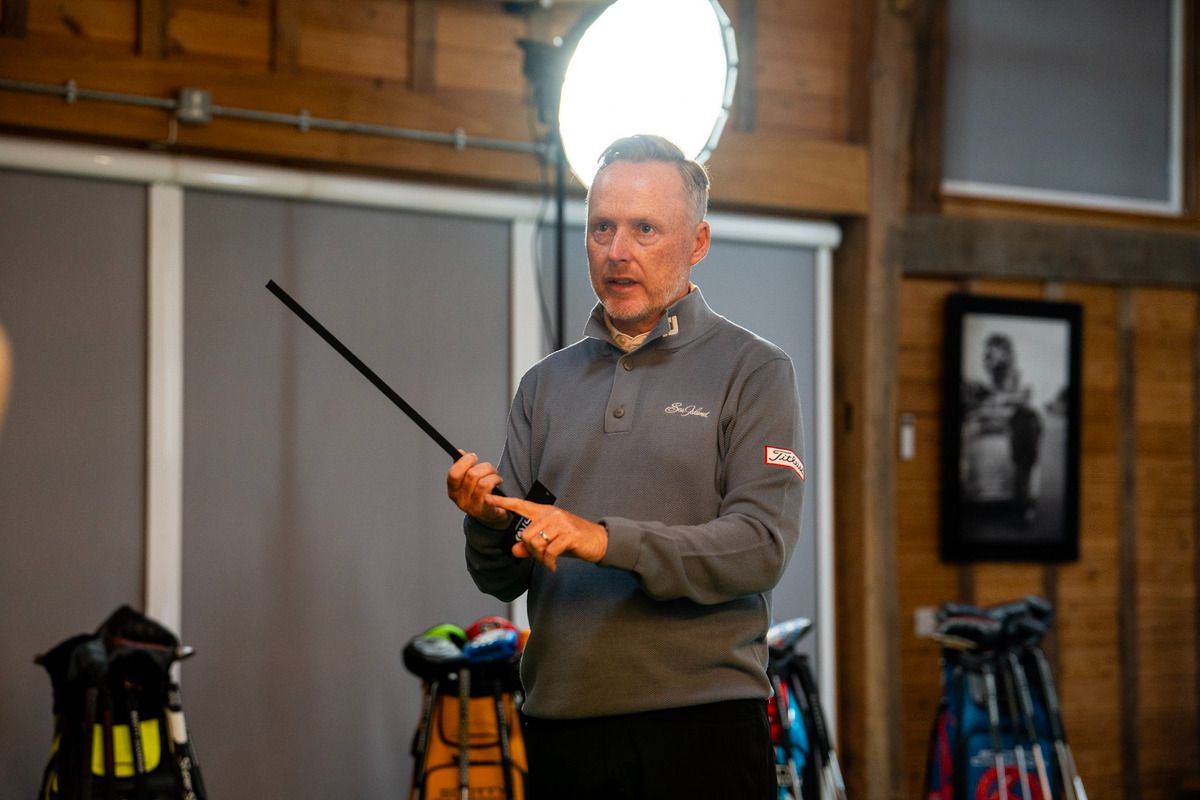
For Taylor, a PGA Fellow Professional and EDGA Head of Instruction and Education, golf for the disabled should not be viewed as a separate branch of the game or a specialist subject outside mainstream coaching. The skills required to support golfers with different functions can make PGA Members better coaches across the board.
“I’ve been a golf coach for 35 or 36 years and I’ve done lots of training through The PGA, but inside the golf disabled space is where I’ve learned the most around coaching,” he said.
“Coaching is coaching. The pedagogy of coaching stays the same. However, as club coaches and specialist coaches, we are dealing with a population where everybody has functional differences in their motion patterns.
“All we’re trying to do is arm golf coaches with a little bit more information. If they can coach somebody with a wider functional impairment, they’ll be better placed to coach somebody with a lesser impairment inside their day-to-day activities as a golf coach.”
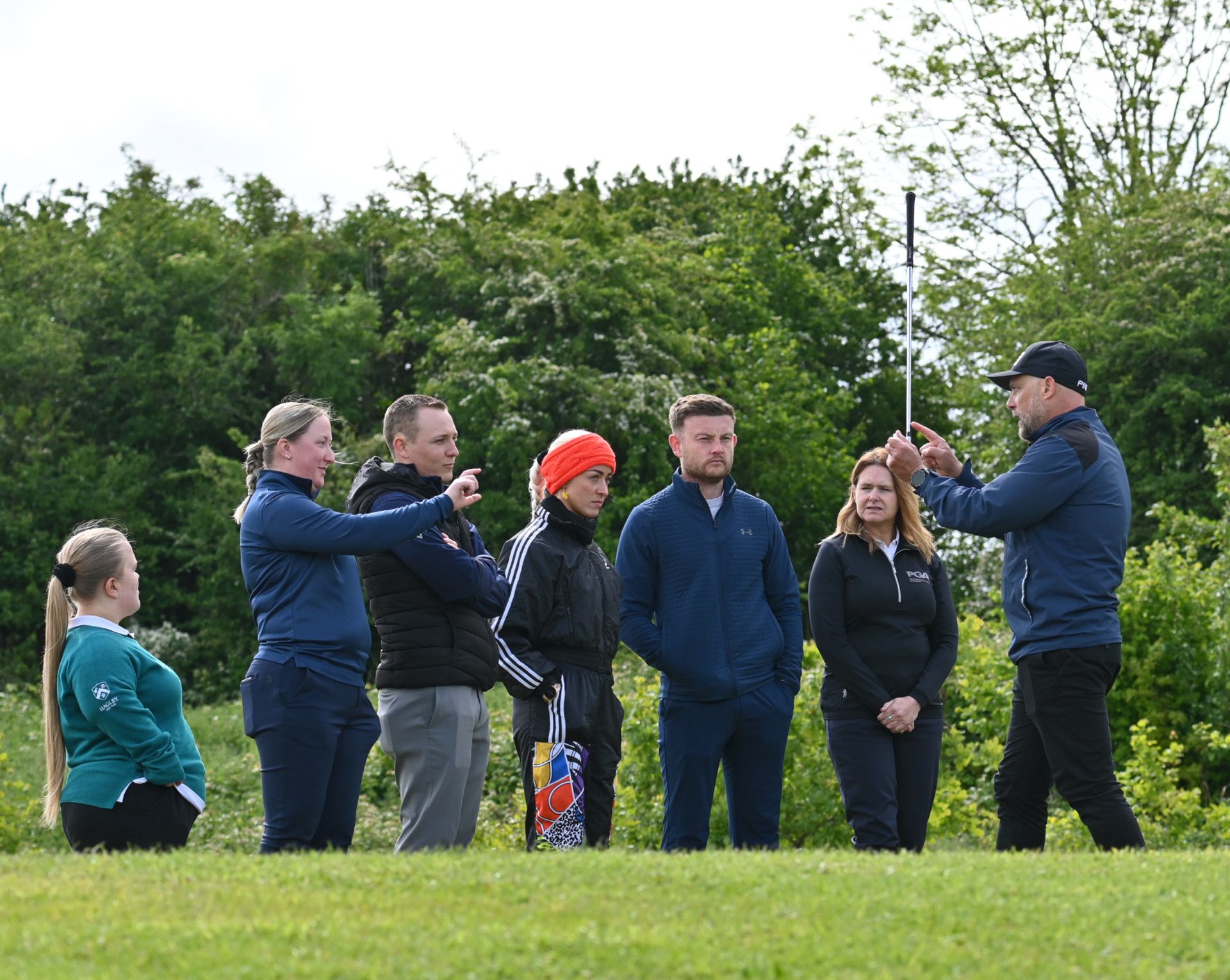
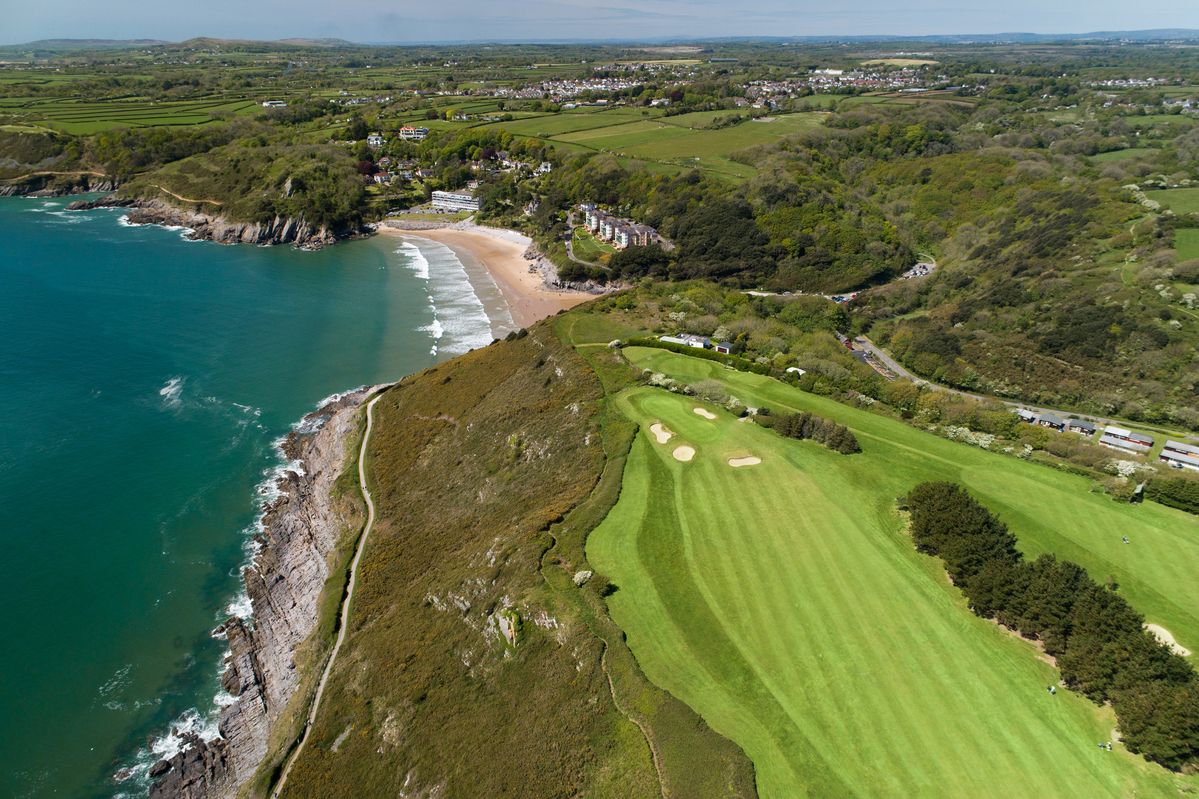
That was the wider purpose behind the PGA Education CPD session delivered at the G4D Open at Celtic Manor in May. The event gave coaches a chance to see some of the world’s leading golfers with different functions in action, then explore what that means for their own coaching.
“Celtic Manor and the G4D Open is the flagship event in the golf for the disabled calendar,” Taylor said. “We have the top players in the world who qualify for that, and our role really is to provide some legacy before, during and after that event.
“One of the first things we did was train the PGA coaching team at Celtic Manor, so they become integral to our ongoing legacy around the event. We don’t just come in, do a flash bang and leave.”
The CPD session included practical simulation work around different functions, giving Members a way to build knowledge through experience rather than theory alone.
“My team introduces them to a simulation event where we look at different limitations, impairments and disabilities,” Taylor said. “They get to try playing from a wheelchair, playing with limb difference or amputation, playing with neurological functional limitations, and blind and visual impairment.
“They really leave inspired, and hopefully they link back into some of the CPD training I have provided for The PGA on the PGA Learn platform. More importantly, they go away and think about what they could do locally for their club and in their community to support this new demographic.”
Taylor believes confidence is often the biggest hurdle. Coaches may already have the skills to adapt sessions and communicate effectively, but some are unsure about entering this space.
“They’re a little bit afraid in the modern world of saying the wrong thing or doing the wrong thing,” he said. “But as coaches, they’re equipped with all of those skills. It’s person first, the same as any other golf lesson they’re giving.
“One of the main areas of my role as head of education is to give them not necessarily the competencies, because I think I can draw those out quite quickly, but more the confidence to get out and actually demonstrate their coaching to an audience which is really looking for that.”
PGA Learn gives Members a starting point when they encounter a golfer with a specific impairment or function, and Taylor believes that access to information is a significant step forward.
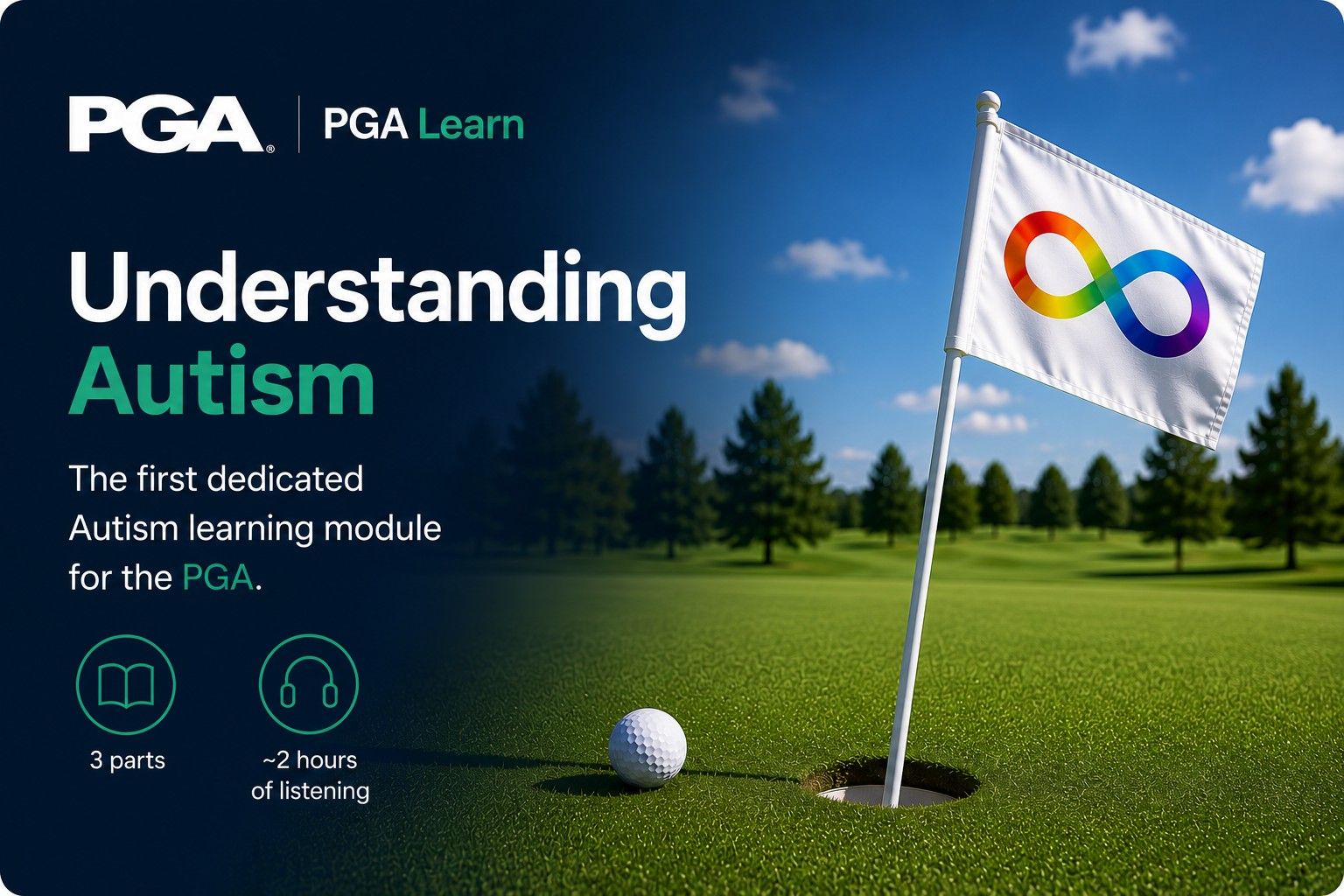
“What The PGA has been very positive about is that, because we specialise in this field, we’ve helped them develop modules for CPD where coaches can go to coaching considerations and online resources hosted by The PGA on PGA Learn,” Taylor said. “They can get information which I didn’t have when I started in this in 2008. That has been a huge benefit.”
That access to education feeds into a bigger opportunity. Golf already has qualities that allow it to include people with a wide range of functions; coaches and clubs can help make those opportunities more visible, welcoming and easier to take up.
“Golf is not disabled,” he said. “It’s one of the best sports. It doesn’t require any modification, adaptation or change, as some other sports do, to incorporate the limitations of the participants.
“We are very well positioned to welcome people with different functions to our sport. However, golf still has its preconceptions, which is why we do a lot of community work to break those barriers down and showcase the many benefits of golf to people living with a physical, sensory or neurodivergent functional disability.”
That work is also reflected in an initiative designed by EDGA called Project 250, supported by the Kate and Justin Rose Foundation. The programme introduces golf to children in special educational needs and disability settings, taking the sport into schools before creating a pathway back to clubs.
“The aim of the project was to get golf to 250 children in special educational needs and disability schools,” Taylor said. “We wanted to give them an opportunity to try the sport in an environment they were more familiar with, because getting to a golf club for some children with neurodivergent disabilities might be challenging the first time.
“We piloted it last year in three schools in the Midlands and already reached 100 children in year one. On the strength of the Kate and Justin Rose Foundation media and the reach that has given the project, we’re going to expand that to Wales, Scotland, further projects in England and potentially Northern Ireland as well.”
That same principle offers a route in for PGA Members who want to engage more closely with golf for the disabled. The starting point does not have to be a fully formed programme. It can be a local connection, a conversation with a school or community group, and a willingness to take golf into familiar environments before expecting people to come to the club.
“They could go to the PGA website, glean some information from the online resources hosted on PGA Learn, then look at starting in the community,” he said. “Look at any special schools around the club and start to do some coaching inside the school. That’s the advantage of Project 250. We take golf to the school, take equipment to the school, and then bring them to the club at a later date.”